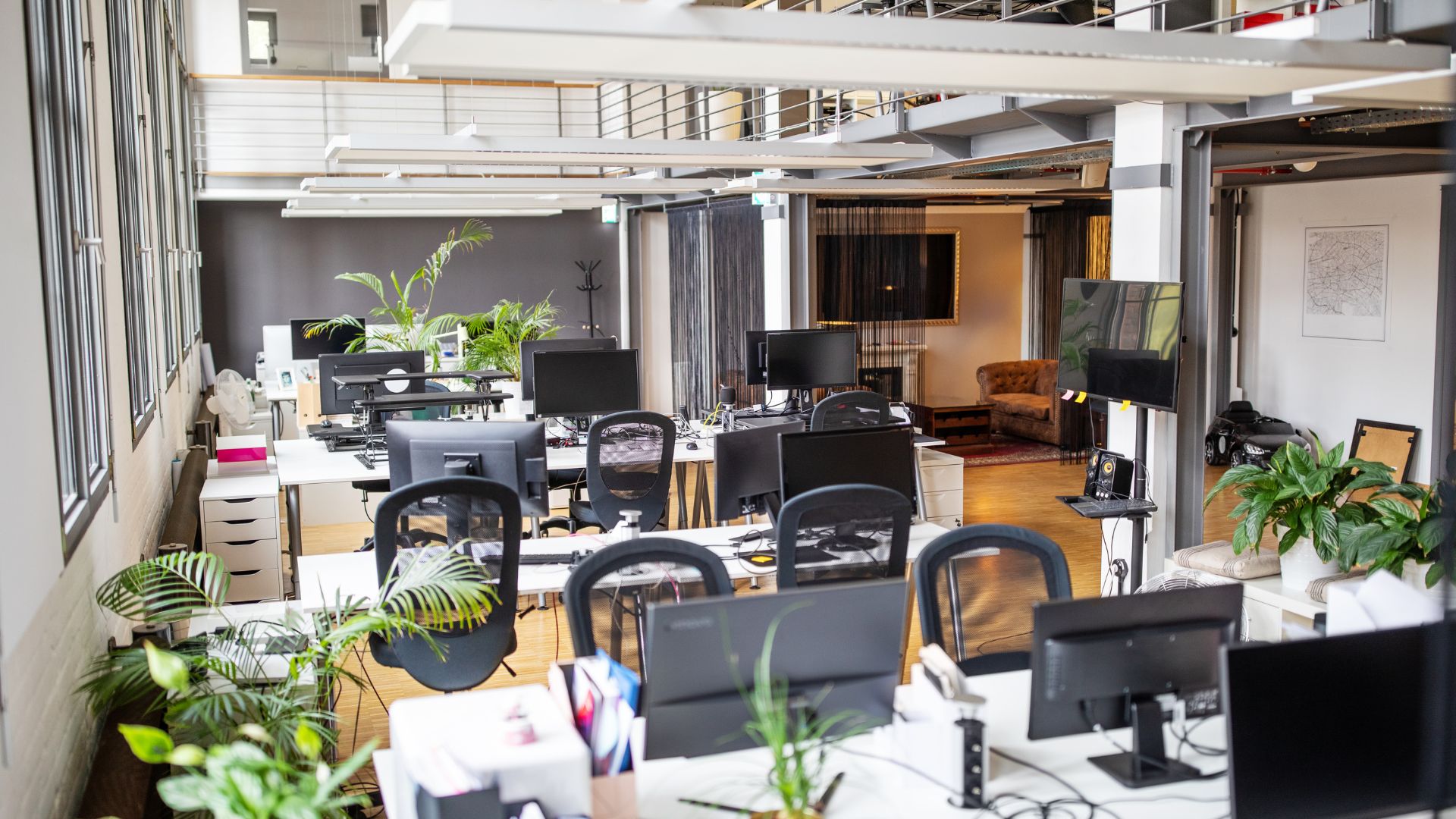
One of the most common assumptions business owners make is that a crowded office automatically means it is time to move. Teams grow, desks start appearing in unexpected places, meeting rooms become harder to book and the workplace begins to feel less organised than it once did. The immediate conclusion is often that the business has outgrown its office.
But in many cases, that is not actually the problem. What growing businesses frequently outgrow first is not the office itself. It is the way the office has been planned. As organisations evolve, the way people work changes. New departments emerge, team structures shift, technology advances and workplace expectations develop. Yet the office layout often remains exactly as it was when the company was significantly smaller.
The result is a workplace that no longer supports the needs of the business. Before committing to the expense and disruption of relocating, it is worth asking a different question: has the business truly outgrown the space, or has it simply outgrown the layout?
Growth Changes More Than Headcount
Business growth is rarely just about adding more people. As organisations expand, they introduce new functions, new processes and new ways of working. Teams that once operated independently begin collaborating more frequently. Managers require spaces for one-on-one meetings. Hybrid working creates different occupancy patterns throughout the week. The workplace becomes more complex. Many offices were originally designed around a specific number of employees and a particular style of working. Over time, those assumptions become outdated. An office that worked perfectly for a team of fifteen may struggle to support a business of thirty, even if there is technically enough floor space available. The challenge is often not capacity. It is functionality.
SMARTER OFFICE LAYOUTS START HERE
The Warning Signs Your Layout Is No Longer Working
A poorly performing office does not always announce itself immediately. Often, the signs appear gradually. Meeting rooms become increasingly difficult to secure. Teams start holding discussions at desks because there are no suitable collaboration spaces available. Storage begins creeping into circulation areas. Employees struggle to find quiet spaces for focused work. Over time, these small frustrations accumulate. The workplace starts feeling crowded, even though significant portions of the office may be underutilised. Businesses often interpret these symptoms as a lack of space when they are actually indicators of a layout that no longer aligns with operational requirements. Recognising these warning signs early can prevent unnecessary relocation decisions and open the door to more effective solutions.
Why More Space Is Not Always the Answer
When an office feels constrained, the instinctive reaction is to look for larger premises. However, moving into a bigger office without addressing existing planning issues can simply transfer the same problems into a new environment. A larger space does not automatically improve workflow, communication or productivity. Without proper planning, businesses can quickly recreate the same inefficiencies that existed in the previous office. This is why workplace strategy should always come before relocation. Understanding how people work, move and interact within the office often reveals opportunities to improve performance without increasing the overall footprint. In many cases, businesses discover they have more space available than they realised. They simply are not using it effectively.
DISCOVER WHY MORE BUSINESSES ARE RETHINKING RELOCATION ALTOGETHER
How Workplace Reconfiguration Supports Growth
One of the most effective ways to accommodate business growth is through workplace reconfiguration. This process evaluates how the office is currently being used and identifies opportunities to improve efficiency, functionality and flexibility. A workplace reconfiguration may involve introducing more collaborative areas, improving workstation layouts, creating additional meeting spaces or incorporating private work zones. The objective is not to fit more people into the office. The objective is to create an environment that better supports the way the business operates. For many organisations, this approach delivers immediate benefits without the costs associated with relocation. Employees gain access to spaces that support different types of work while the business gains greater value from its existing premises.
FUNCTIONAL SPACES WITH A PREMIUM FINISH
The Cost of Ignoring Layout Problems
An ineffective office layout affects more than physical space. It influences productivity, communication and employee experience. When people struggle to find suitable areas for meetings, focused work or collaboration, tasks take longer and frustration increases.
Poor workplace planning can also affect client perception. A crowded or disorganised office often creates an impression that the business is operating reactively rather than strategically. These issues may not appear on a balance sheet, but they carry real operational costs. Over time, they can impact team performance, workplace culture and even staff retention. Addressing layout challenges early helps businesses create environments that support sustainable growth rather than constantly reacting to problems as they emerge.
Planning for Where the Business Is Going
One of the biggest mistakes businesses make is designing an office around their current needs only. The most successful workplaces are planned with future growth in mind. This does not mean creating large amounts of unused space. It means building flexibility into the environment. Modular furniture solutions, adaptable meeting spaces and flexible layouts allow businesses to evolve without requiring major disruptions every time the organisation changes.
This approach creates workplaces that can support growth over several years rather than becoming obsolete after a short period. At Proturnkey, future planning forms an important part of workplace design because businesses rarely remain static. A workplace should support growth, not restrict it.
Why Cape Town and Durban Businesses Are Rethinking Their Space
Commercial property costs continue to place pressure on businesses across Cape Town and Durban. For many organisations, relocating to larger premises is no longer the automatic solution it once was. Business owners are becoming more strategic about how they use their existing footprint. Rather than expanding square metre requirements, many are investing in smarter layouts, workplace upgrades and space optimisation strategies. This shift is changing the way offices are designed.
The focus is moving away from simply accommodating people and towards creating workplaces that perform better. Businesses are recognising that thoughtful planning often delivers greater value than additional floor space.
UPGRADE YOUR OFFICE WITHOUT DISRUPTING YOUR BUSINESS
Questions Business Owners Often Ask
How do I know if my office is too small?
If the workplace feels crowded, it may be tempting to assume the office is too small. However, many space challenges are caused by inefficient layouts rather than a lack of square metres. A professional space assessment can help determine the real issue.
What is workplace reconfiguration?
Workplace reconfiguration involves redesigning and reorganising an existing office to improve functionality, efficiency and employee experience without relocating to new premises.
Can better office planning create more space?
Yes. Through strategic layout improvements and better utilisation of existing areas, businesses can often create significant additional capacity within their current office.
When should a business consider relocating?
Relocation should be considered when operational requirements genuinely exceed what the existing premises can accommodate or when building limitations prevent necessary improvements.
Does office layout affect productivity?
Absolutely. Workplace layout influences communication, collaboration, focus and overall workflow. A well-designed office helps employees work more effectively and comfortably.
How often should office layouts be reviewed?
Businesses should review workplace layouts regularly, particularly during periods of growth, restructuring or operational change.
Can Proturnkey help assess whether we need to relocate?
Yes. Proturnkey provides workplace planning, office design and reconfiguration services that help businesses determine whether relocation or optimisation is the best solution.
Making Growth Easier to Manage
Outgrowing an office does not always mean outgrowing the space itself. In many cases, businesses simply reach a point where the existing layout no longer supports the way they operate. Before committing to the costs and disruption of relocation, it is worth exploring whether smarter planning could unlock the potential within your current environment. Through workplace strategy, office space planning and workplace reconfiguration, businesses can often improve functionality, increase capacity and create a better experience for employees without moving at all. At Proturnkey, we help businesses across Cape Town and Durban create workplaces that support growth today while remaining flexible enough for tomorrow.