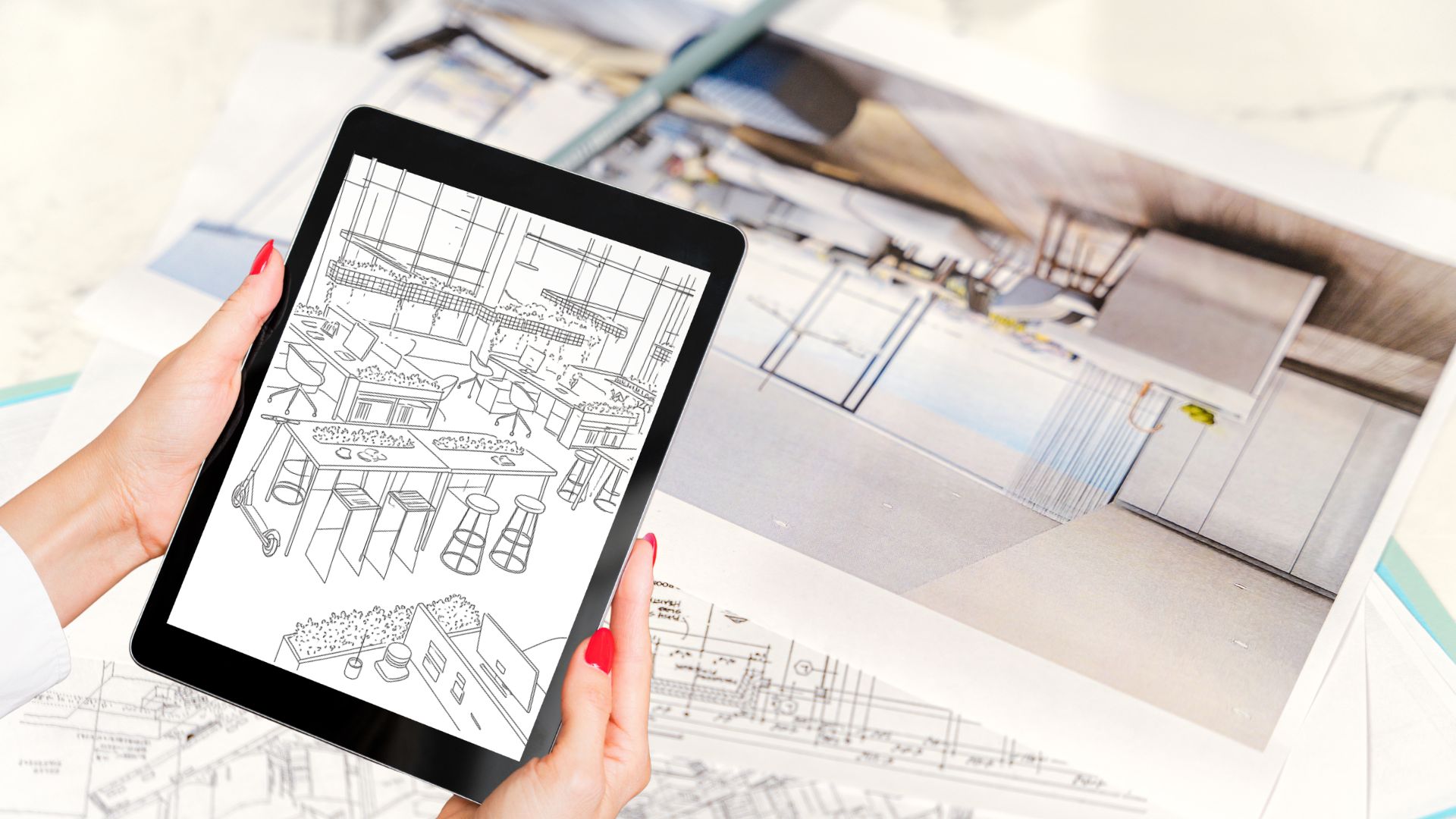
For many growing businesses, there comes a point when the office no longer feels like it works.
Meeting rooms are always occupied. Teams are squeezed into available space. Storage starts spilling into walkways and employees begin to complain about noise, privacy or a lack of collaboration areas.
Traditionally, the immediate solution would have been to start looking for larger premises.
Today, however, more businesses across Cape Town and Durban are asking a different question.
Do we actually need a bigger office, or could our current space work harder?
The answer is often surprising.
Many organisations are discovering that their workplace challenges are not caused by a lack of square metres. They are caused by how the space is being used. Through workplace reconfiguration, businesses are finding ways to improve functionality, increase capacity and create better working environments without the expense and disruption of relocating.
As commercial property costs continue to rise and workplace needs continue to evolve, reconfiguring an existing office has become an increasingly attractive option for business owners looking to maximise their investment.
What Is Workplace Reconfiguration?
Workplace reconfiguration involves redesigning and reorganising an existing office environment to better support the needs of the business.
Unlike a full relocation, the business remains within its current premises while the layout, furniture, workflows and use of space are reviewed and improved.
This process often begins with office space planning to understand how employees use the workplace on a daily basis. Areas that are underutilised, overcrowded or no longer serving their intended purpose are identified and redesigned.
A workplace reconfiguration may include:
- Reconfiguring workstation layouts
- Creating additional meeting spaces
- Introducing collaborative zones
- Improving storage solutions
- Adding privacy booths or focus areas
- Updating furniture configurations
- Improving circulation and workflow
The goal is not simply to make the office look different. The objective is to make the space function more effectively for the people using it every day.
SMARTER OFFICE LAYOUTS START WITH PROPER PLANNING
Why Relocating Is Not Always the Best Solution
Relocating an office is a significant undertaking.
In addition to higher rental costs, businesses often face moving expenses, legal fees, infrastructure upgrades, downtime and the disruption that comes with settling into a new environment.
There are also hidden costs that many businesses underestimate.
Employees need time to adapt to new surroundings. Existing workflows may be interrupted. Technology infrastructure often needs to be reinstalled or upgraded. New furniture requirements can add unexpected costs to the project.
For businesses operating in competitive markets, even a small disruption can impact productivity and service delivery.
Workplace reconfiguration offers an alternative approach.
Instead of absorbing the costs and risks associated with relocation, businesses can focus on improving what they already have. In many cases, strategic space planning reveals opportunities to increase functionality without increasing floor area.
This makes workplace reconfiguration particularly appealing for businesses that are otherwise happy with their location but feel constrained by their current office layout.
The Impact of Changing Workplace Trends
The way people work has changed dramatically over the past few years.
Hybrid working, flexible schedules and digital collaboration have transformed how office space is used.
Many businesses now require fewer dedicated desks but more collaborative areas. Others need quiet spaces for focused work, video calls and private meetings. Some organisations have discovered that large boardrooms sit empty for most of the week while informal meeting spaces are in constant demand.
These changing requirements mean that offices designed five or ten years ago may no longer support the needs of today’s workforce.
A workplace reconfiguration allows businesses to adapt to these new realities without starting from scratch.
Rather than moving into a larger office based on outdated assumptions, companies can create environments that better reflect how employees actually work.
This often results in more efficient use of space, improved employee satisfaction and a workplace that feels better suited to modern business operations.
How Better Space Planning Creates More Capacity
One of the biggest misconceptions in commercial office design is that more people automatically require more space.
In reality, many offices contain significant inefficiencies that reduce their usable capacity.
Poor workstation layouts, oversized circulation areas, unnecessary partitions and underutilised rooms often consume valuable floor space that could be used more effectively.
Through professional space planning, businesses can identify opportunities to improve the overall functionality of their environment.
This might involve introducing more efficient furniture layouts, repurposing underused areas or creating multipurpose spaces that support different activities throughout the day.
In many cases, businesses are surprised by how much additional capacity can be created without expanding their footprint.
A well-planned office does not necessarily need more space. It simply needs to use the available space more intelligently.
Employee Experience Matters More Than Ever
Modern workplaces are no longer judged solely on their appearance.
Employees increasingly expect environments that support collaboration, wellbeing, flexibility and productivity.
An office that feels crowded, noisy or poorly organised can have a direct impact on morale and performance.
Workplace reconfiguration provides an opportunity to address these challenges.
By improving layout flow, introducing better meeting spaces and creating areas that support different styles of work, businesses can significantly enhance the employee experience without relocating.
This becomes particularly important when attracting and retaining talent.
Employees spend a large portion of their day within the office environment. A workplace that feels functional, comfortable and well-considered contributes to a more positive overall experience.
Businesses that invest in their existing workplace often find that the benefits extend far beyond the physical space itself.
SEE HOW STRATEGIC OFFICE DESIGN IMPROVES WORKPLACE PERFORMANCE
The Financial Benefits of Reconfiguration
Cost remains one of the biggest drivers behind workplace reconfiguration.
Relocating often involves significant expenditure that extends beyond rental agreements and moving costs.
Businesses may need to invest in new fit-outs, infrastructure upgrades, furniture procurement and operational downtime.
By comparison, reconfiguring an existing workplace can often deliver many of the same benefits at a fraction of the cost.
It allows businesses to improve functionality, accommodate growth and modernise their environment while maintaining control over budgets.
This does not mean reconfiguration is simply a cost-saving exercise.
The goal is to maximise value.
When workplace improvements are aligned with operational objectives, businesses often achieve stronger returns on investment while avoiding unnecessary expenditure associated with relocation.
For organisations looking to optimise resources, reconfiguration offers a practical and financially responsible alternative.
When Relocation Still Makes Sense
Workplace reconfiguration is not always the answer.
There are situations where relocation remains the most appropriate option.
A business may have genuinely outgrown its current premises. Building limitations may prevent necessary upgrades. Lease conditions or operational requirements may make relocation unavoidable.
The key is understanding which option delivers the best long-term outcome.
This is where professional planning becomes invaluable.
Before committing to a relocation, businesses should assess whether their current challenges stem from space limitations or layout inefficiencies.
Many organisations assume they need more space when what they actually need is better space.
A strategic assessment helps identify the most effective solution before major decisions are made.
Whether that solution involves reconfiguration, renovation or relocation, the objective should always be to support the future needs of the business.
Why More Cape Town and Durban Businesses Are Reconfiguring
Across Cape Town and Durban, businesses are becoming more focused on efficiency, flexibility and value.
Rather than moving simply because an office feels crowded or outdated, many organisations are exploring how their existing workplace can be transformed to support growth.
This shift reflects a broader change in how businesses view office space.
The conversation is no longer just about square metres. It is about functionality, employee experience and long-term adaptability.
Workplace reconfiguration offers a way to achieve these objectives while minimising disruption and controlling costs.
For many businesses, it provides the opportunity to unlock the full potential of their current environment without the challenges associated with relocation.
Questions Business Owners Often Ask
What is workplace reconfiguration?
Workplace reconfiguration involves redesigning and reorganising an existing office to improve functionality, efficiency and employee experience without relocating to a new premises.
How do I know if my office needs reconfiguration?
Signs include overcrowding, poor workflow, limited meeting space, underutilised areas and employee complaints about the workplace environment.
Is workplace reconfiguration cheaper than relocating?
In most cases, yes. Reconfiguration typically avoids many of the costs associated with moving, including relocation expenses, new fit-outs and operational downtime.
Can workplace reconfiguration accommodate business growth?
Yes. Through effective space planning and workplace design, many businesses can increase capacity and improve functionality within their existing footprint.
How long does an office reconfiguration take?
The timeline depends on the scope of the project. Smaller reconfigurations may take a few weeks, while larger workplace transformations can take several months.
Does Proturnkey provide workplace reconfiguration services?
Yes. Proturnkey provides office space planning, workplace design, project management, office renovations and fit-out solutions across Cape Town and Durban.
Should I reconfigure my office before considering relocation?
Absolutely. A professional assessment can help determine whether your challenges are caused by a lack of space or inefficient use of the space you already have.
Making Your Existing Office Work Harder
Before committing to the cost and disruption of relocating, it is worth asking whether your current office is truly being used to its full potential.
Many workplace challenges can be solved through smarter space planning, strategic reconfiguration and thoughtful office design. By improving functionality, enhancing employee experience and maximising available space, businesses can often achieve the results they need without moving at all.
At Proturnkey, we help businesses across Cape Town and Durban transform existing workplaces through office space planning, commercial fit-outs, workplace reconfiguration and project management solutions.
If your office no longer supports the way your business operates, speak to our team about how a workplace reconfiguration could help you unlock more value from the space you already have.