
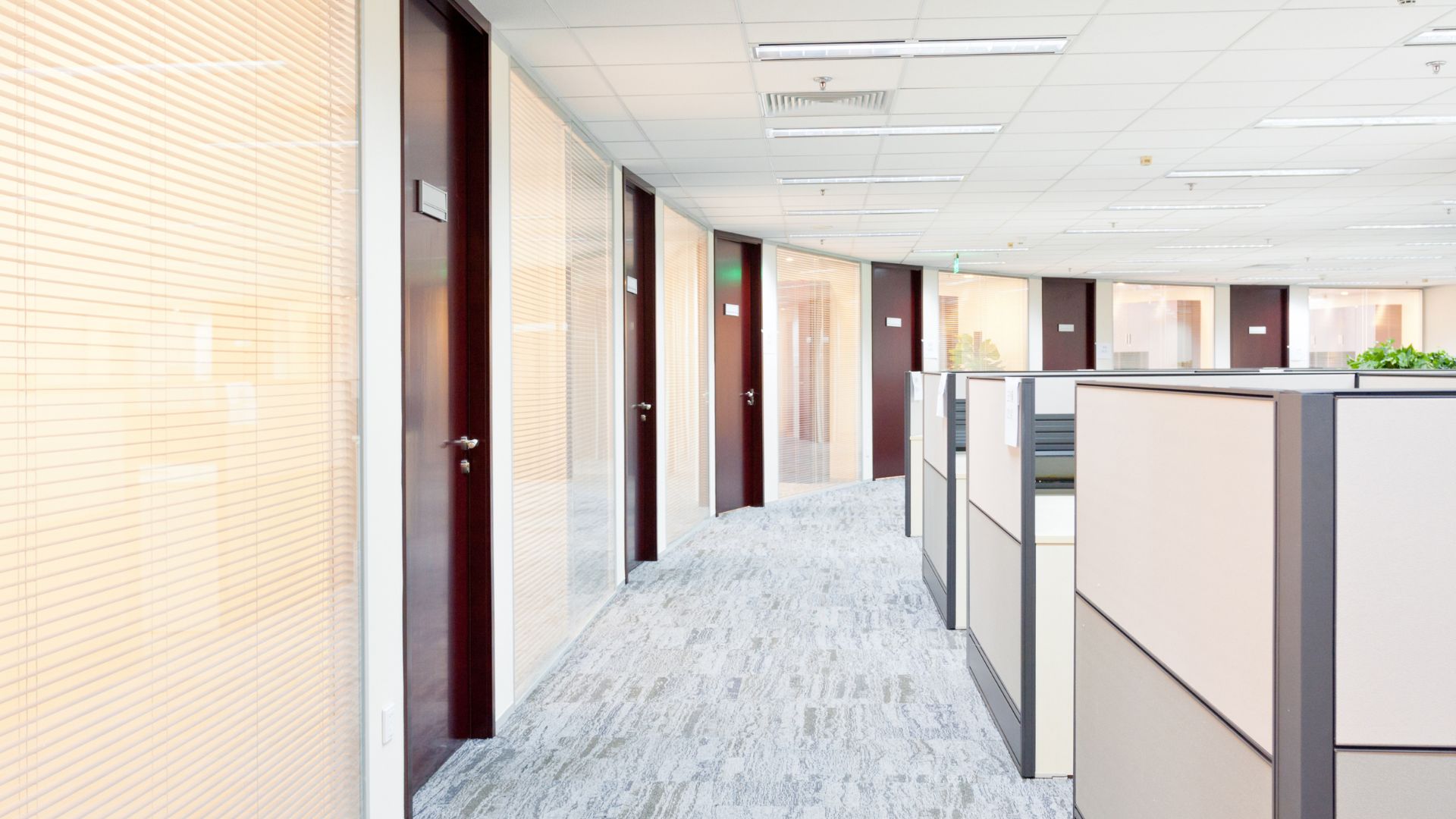
Walk into most modern offices and the first reaction is usually the same.
“Wow.”
Clean lines. Stylish furniture. A colour palette that looks great on LinkedIn. Plants placed just right.
And yet, a few months later, something feels off.
Meetings run long. People struggle to focus. Teams avoid certain spaces. Leaders retreat to corners that were never meant to become offices. The design still looks good, but the space doesn’t work.
This is one of the most common issues in office interior design today. Businesses invest time and money into how their offices look, but far less into how those spaces are actually used.
The result is a workplace that photographs well and performs poorly.
Good Design Isn’t the Same as Useful Design
There’s nothing wrong with wanting a beautiful office.
The problem starts when beauty becomes the goal instead of the outcome.
Many office designs fail because they prioritise visual impact over daily behaviour. Decisions are made based on trends, inspiration images, or what competitors are doing, rather than how teams actually work.
According to a global workplace study by Leesman, only 57% of employees feel their office supports focused work, even in newly designed spaces. That’s not a design problem. That’s a planning problem.
Offices don’t fail because they lack style.
They fail because they lack intent.
Design Trends Are Easy. Understanding People Is Harder
Trends move fast. Businesses don’t.
Open-plan layouts, glass offices, hot-desking, breakout zones, café-style kitchens. None of these ideas are wrong. But none of them work in isolation either.
Too often, design decisions are made without asking basic questions:
- Who needs quiet and when
- Who collaborates daily and who doesn’t
- How decisions actually happen
- Where people go when they’re under pressure
A Harvard Business Review study found that open-plan offices reduced face-to-face interaction by up to 70%, pushing communication onto email and messaging platforms instead. A layout intended to encourage collaboration ended up doing the opposite.
Design without context is decoration.
Design with insight becomes infrastructure.
The Most Overlooked Reason Offices Fail
Most office designs fail long before construction starts.
They fail during planning.
Space planning is often rushed or treated as a technical step rather than a strategic one. Square meters are allocated. Furniture is selected. Services are coordinated. But the deeper thinking is skipped.
Where does focused work actually happen?
Where do informal decisions get made?
Where do people pause, reset, or decompress?
If these questions aren’t answered early, no amount of good furniture will fix the outcome later.
When Aesthetic Leads and Function Follows
A common pattern:
- A visual concept is approved
- Furniture is selected
- Space is adjusted to fit everything in
This reverses the process.
Function should shape form, not the other way around.
According to a report by Gensler, workplace design that aligns with work patterns can improve performance by up to 20%. That improvement doesn’t come from better finishes. It comes from better decisions.
Offices Aren’t Static. Most Designs Assume They Are.
Another reason offices fail is rigidity.
Teams grow. Roles change. Hybrid work shifts how space is used. Yet many office interiors are designed as fixed solutions, with little flexibility built in.
Permanent walls where adaptable zones would work better. Fixed desks where shared spaces make more sense. Meeting rooms sized for scenarios that rarely happen.
The office doesn’t need to predict the future.
It needs to adapt to it.
Flexible planning doesn’t mean chaos. It means giving space permission to evolve.
Furniture Is Not a Strategy
Furniture procurement is often treated as a shortcut to better design.
New desks. New chairs. New finishes.
But furniture alone doesn’t solve workflow issues. In fact, it can highlight them.
A UK workplace study found that 83% of employees believe office furniture impacts productivity, yet many businesses choose furniture before confirming how spaces will be used.
Furniture should support behaviour, not dictate it.
Leadership Spaces Are Often an Afterthought
Many office designs look good because they focus on shared areas. Reception. Breakout spaces. Open-plan zones.
Leadership spaces are often squeezed in later. Offices placed where space allows rather than where they work best. Boardrooms designed for formality instead of decision-making.
Leaders don’t sit still. Their spaces shouldn’t expect them to.
When leadership areas are poorly planned, decisions slow down, communication becomes fragmented, and teams feel disconnected from direction.
Project Management Is the Silent Factor
Even well-planned designs can fail without proper project management.
Office renovations and relocations involve multiple moving parts: design, procurement, contractors, timelines, budgets, and operational continuity. Without clear coordination, small issues compound quickly.
According to PMI data, poor project management contributes to 11% of wasted investment globally. In office projects, that waste shows up as delays, rework, and compromised outcomes.
Design intent only survives when delivery is managed properly.
The Cost of Getting It Wrong
Office design failure doesn’t always show up as complaints. It shows up as:
- Low space utilisation
- Teams avoiding certain areas
- Leaders working around the design instead of within it
- Productivity dips that are hard to explain
A study by Steelcase found that one in three employees is dissatisfied with their workplace, even in newly designed offices.
That dissatisfaction doesn’t come from poor taste. It comes from misalignment.
What Actually Makes an Office Work
Successful office interior design is quieter than people expect.
It starts with listening.
It prioritises flow over fashion.
It balances focus and collaboration.
It leaves room for change.
Good offices don’t demand attention. They support work.
FAQ – Questions People Actually Google
Why do modern office designs fail?
Modern office designs fail when visual appeal is prioritised over how people work. Without proper space planning and behavioural insight, even stylish offices struggle to support productivity.
Does office interior design affect productivity?
Yes. Research shows that workplaces aligned with employee work patterns can improve performance by up to 20%, while poorly designed offices increase distractions and stress.
Is open-plan office design effective?
Open-plan design can work, but only when balanced with quiet zones and privacy. Studies show it can reduce face-to-face interaction if not planned carefully.
How often should office design be reviewed?
Office layouts should be reviewed every three to five years, or sooner if business operations, team size, or work models change.
What role does project management play in office design?
Project management ensures that design intent, timelines, budgets, and operational needs stay aligned throughout renovations or relocations.
Office Interior Design in Cape Town and Durban
Local context matters.
Cape Town and Durban businesses face different spatial challenges, from building constraints to hybrid work patterns influenced by commuting and regional work culture.
Office interior design works best when it reflects how people work locally, not just globally inspired trends.
Designing Offices That Don’t Just Look the Part
An office should feel easy to use.
Clear without being rigid.
Structured without feeling controlled.
The best designs aren’t noticed immediately. They’re noticed over time.
When teams stop working around the space and start working within it, the design is doing its job.
That’s when an office stops being a visual statement and starts becoming a working system.
