Businesses move for many reasons.
Growth demands more space. Restructuring calls for efficiency. New opportunities lead companies into different cities or provinces. In some cases, it is about stepping into a space that better reflects who the business has become.
Whether it is scaling up, downsizing or relocating between Cape Town and Durban, moving into a new office is never just a physical change. It is a strategic decision.
It signals a shift in how teams work, how clients experience the business and how the organisation positions itself for the future.
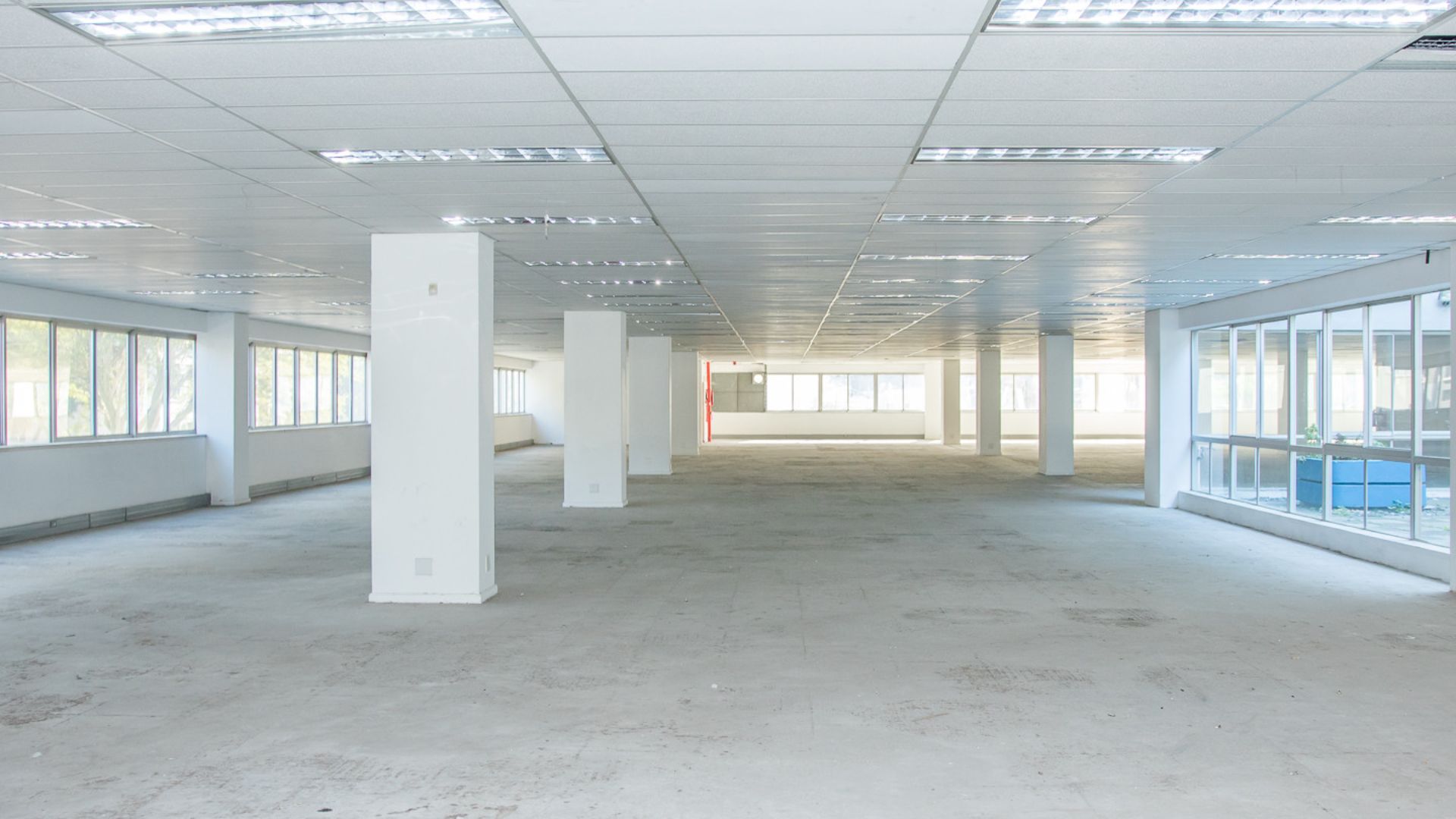
For many, that new space arrives as a white box.
Clean. Empty. Undefined.
It may look complete on the surface, but it is not yet a working environment. It does not support operations, culture or performance.
What it offers is potential.
And what that potential becomes depends entirely on the strategy that follows.
The Opportunity Inside a White Box Space
A white box office presents a rare advantage.
There are no inherited layouts to work around. No outdated partitions to compromise decisions. No limitations imposed by previous occupants.
This creates freedom.
But it also creates responsibility.
Every decision now matters. Where walls are placed. How teams are positioned. How people move through the space. How light, acoustics and functionality come together.
In Cape Town and Durban, where commercial spaces vary widely in structure and condition, this stage is where the direction of the entire project is defined.
A white box is not the end product. It is the starting point of a deliberate process.
Planning Before Design
One of the most common mistakes in office renovation planning is moving too quickly into design.
Finishes are selected. Concepts are created. Visuals are approved.
But without a clear plan, these decisions are often revisited later.
Planning focuses on how the business operates.
It considers how teams collaborate, where focus is required and how different departments interact. It looks at movement, access, storage and long-term adaptability.
Research shows that well-planned workplaces can improve productivity by up to 20 percent. At the same time, poorly planned layouts contribute to inefficiencies that impact daily operations.
This is why planning must come before design.
Defining Layout and Flow
Layout is one of the most important decisions in any office fit-out process.
It determines how space is used and how effectively teams function within it.
A well-considered layout reduces unnecessary movement, supports collaboration and ensures that every square metre contributes to performance.
In high-demand commercial areas such as Cape Town and Durban, where space is a significant investment, optimising layout is not optional. It is essential.
Aligning the Space with Business Strategy
An office is not just a place to work. It is a physical representation of the business.
The layout, the finishes and the overall environment should reflect the organisation’s identity and direction.
This alignment creates consistency between how the business operates internally and how it is experienced externally.
Transitioning into the Fit-Out Phase
Once planning is resolved, the space begins to transform.
Walls are constructed. Services are installed. The office starts to take shape.
This phase is where strategy becomes visible.
In a well-managed office fit-out process in Cape Town or Durban, there is a clear connection between planning and execution. Decisions made early guide the build, reducing uncertainty and minimising changes during construction.
This results in a smoother, more efficient project.
The Role of Custom Joinery
Custom joinery plays a defining role in a high-quality office fit-out.
It allows for tailored solutions that maximise space and maintain consistency across the environment.
Reception areas, storage solutions and feature elements are designed specifically for the space rather than fitted in afterwards.
This level of integration creates a more cohesive and considered workplace.
Creating a Cohesive Environment
A successful office is not made up of separate elements. It is a unified environment.
Lighting, acoustics, materials and furniture all work together to support the way people use the space.
Studies have shown that access to natural light can improve employee wellbeing and productivity, while poor acoustic design can reduce productivity by up to 15 percent.
These factors are not secondary. They are central to performance.
Local Considerations in Cape Town and Durban
Office fit-outs in Cape Town and Durban require an understanding of local conditions.
Building regulations, landlord approvals and infrastructure constraints can all influence the project.
In some cases, existing services need to be upgraded. In others, structural limitations shape layout decisions.
Environmental factors such as natural light, ventilation and climate also impact how spaces are designed.
Addressing these considerations early ensures a smoother process and reduces the risk of delays.
The Value of an Integrated Approach
Transforming a white box into a fully functional office involves multiple disciplines.
Design, planning, construction and furniture procurement must all align.
When these elements are handled separately, projects often face delays, budget increases and inconsistencies.
An integrated approach ensures that every stage is connected.
This reduces friction, improves communication and protects the integrity of the original vision.
A Space Built for Performance
The final outcome of an office fit-out should go beyond appearance.
It should support the way the business operates. It should enhance productivity. It should create a positive experience for employees and clients.
Businesses that invest in strategic office design often see measurable benefits.
Improved workplace environments have been linked to a reduction in absenteeism of up to 15 percent. Well-designed offices also contribute to higher employee retention and satisfaction.
These are not cosmetic improvements. They are business outcomes.
FAQ: Office Fit-Outs in Cape Town and Durban
How long does an office fit-out take
Timelines vary depending on the size and complexity of the space. On average, a mid-sized office fit-out can take between 6 to 12 weeks from planning to completion.
Proper planning at the start reduces delays during construction.
What is the most important stage of an office fit-out
Planning is the most critical stage.
Decisions made during planning influence layout, cost, timelines and overall performance. Skipping or rushing this phase often leads to costly adjustments later.
How much does an office fit-out cost in Cape Town or Durban
Costs vary depending on the level of finish, custom elements and size of the space.
A strategic approach focuses not only on upfront cost but on long-term value, ensuring that the investment supports business performance.
Why is a white box not ready for occupation
A white box lacks the structure required for a functioning workplace.
It does not include defined layouts, operational zones or tailored solutions. A fit-out transforms it into a space that supports how the business works.
Building with Intent
A white box space represents possibility.
What it becomes depends on the decisions made from the outset.
For businesses in Cape Town and Durban, the opportunity is not just to fill a space, but to shape an environment that supports growth, performance and identity.
When planning leads and execution follows, the result is more than a completed office.
It is a workspace built with intent.