
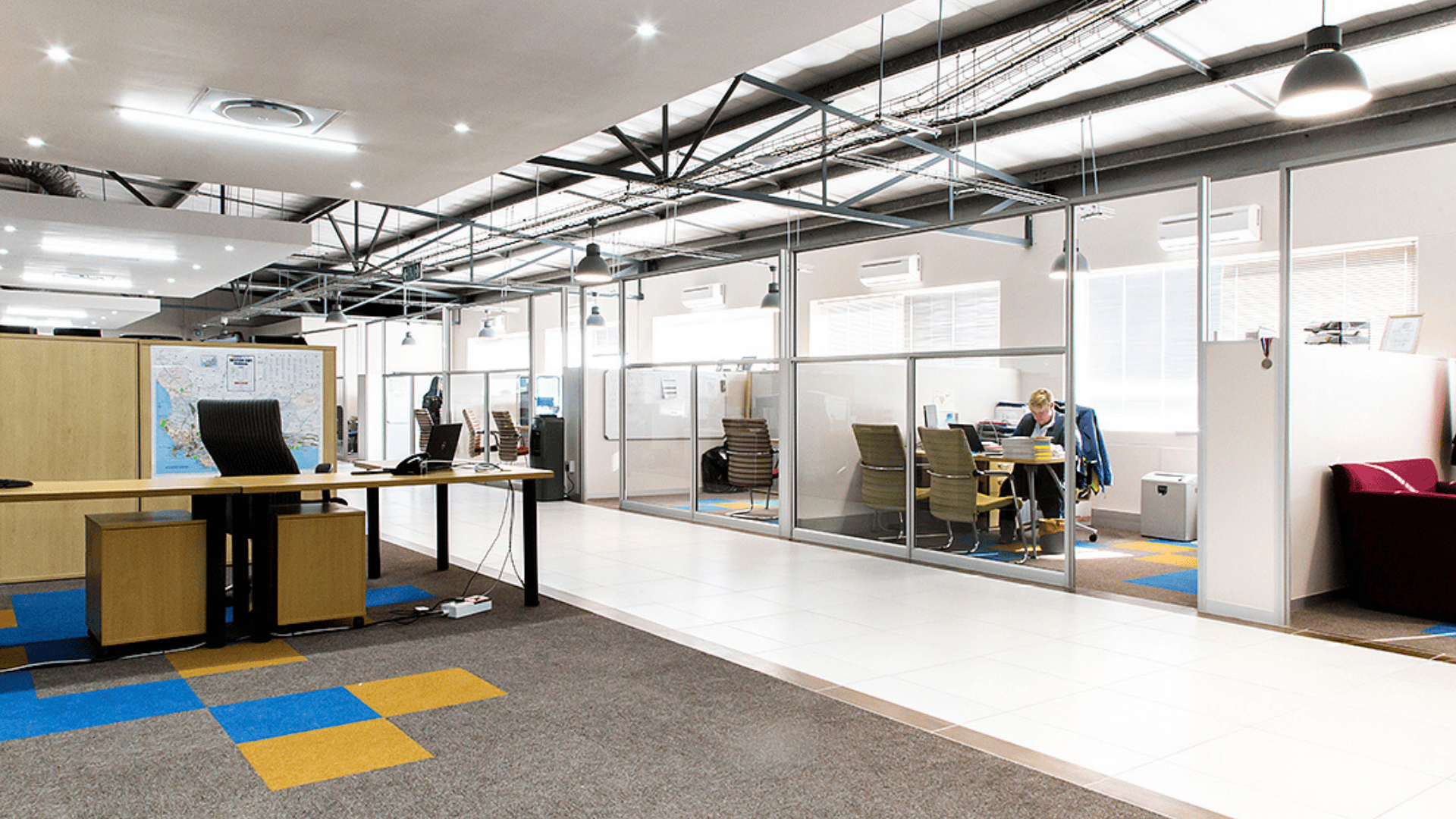
Maximizing Productivity: The Role of Space Planning in Modern Offices
Efficient office design begins with strategic space planning. At Proturnkey Interiors, we approach every project with one goal in mind: to create spaces that support productivity, collaboration, and business growth. Space planning is not about filling a floor plan with desks. It’s about designing a layout that reflects how your teams work and how your business operates.
Understanding Space Planning
Space planning is the process of analyzing how a workspace is used and organizing it to meet the practical needs of the business. It includes positioning workstations, meeting rooms, break areas, storage, and circulation space. A well-planned office maximizes usable space, supports different working styles, and meets compliance standards.
We begin by understanding your workforce. How many people need desks? Who needs access to collaborative spaces? What kind of storage is required? Do you need quiet zones, client areas, or flexible meeting rooms? We gather this data before any design begins.
Aligning Layout with Workflow
A well-designed layout supports how your team actually works. We map out workflows and structure spaces to reduce bottlenecks and improve movement through the office. For example, teams that need to collaborate daily should sit near each other. Departments that require privacy, like HR or finance, should be placed away from high-traffic zones.
We also consider how your people move through the space. This includes paths from reception to workstations, kitchen to meeting rooms, or between departments. These flows need to be efficient and unobstructed.
Supporting Different Work Styles
Modern offices support more than just individual desk work. Employees may need to collaborate, concentrate, or connect informally. A good space plan includes:
- Open-plan work areas for team-based tasks
- Private rooms or quiet pods for focused work
- Breakout areas for informal meetings or quick chats
- Boardrooms and client-facing spaces for formal interactions
This variety helps staff choose the right setting for each task, improving comfort and performance.
Managing Density Without Compromising Comfort
We help you fit your team comfortably into the available area. This includes calculating optimal desk spacing, ensuring clear walkways, and adhering to health and safety standards. Overcrowding reduces productivity and morale. On the other hand, underutilised space wastes budget.
We strike a balance. Our layouts give everyone the space they need while making sure you’re using your footprint efficiently. This is especially important in hybrid or flexible work models.
Planning for Growth and Change
Your workspace should adapt as your business evolves. We design with flexibility in mind. Modular furniture, movable partitions, and scalable zones allow you to grow or reconfigure without starting from scratch.
We also account for technology infrastructure. Power points, data cabling, and AV equipment are positioned where they’re needed, supporting current tools and future upgrades.
Enhancing Collaboration Through Layout
Collaboration happens naturally when people can connect easily. We design collaborative zones near work clusters, integrate shared whiteboards, create open lounges, and reduce barriers between teams where appropriate. These elements promote organic interaction without disrupting quiet work.
We also consider acoustics. Collaborative spaces need sound control to avoid becoming a distraction. We incorporate acoustic panels, zoning, and material selection to manage noise.
Prioritizing Wellbeing
Workplace wellbeing starts with smart planning. We ensure access to natural light, clear sightlines, and open areas to reduce stress and promote a sense of space. Placement of kitchens, restrooms, and wellness rooms all play a part.
We also consider indoor air quality, access to outdoor areas (if available), and physical movement within the space. These planning decisions contribute to healthier, more productive environments.
Compliance and Safety
We ensure all layouts comply with local building codes, health and safety regulations, and accessibility standards. Clear exit routes, fire escapes, spacing requirements, and inclusive design features are built into every plan.
We also manage landlord and council submissions where necessary, removing another layer of complexity for you.
The Proturnkey Approach
We combine design expertise with practical planning. Our in-house team manages space planning, design, and delivery as a single, integrated process. You won’t need to manage multiple suppliers or redesign halfway through the project.
Our goal is to create workspaces that support your people and your strategy. Every layout decision is made with purpose. We help you avoid common issues like poor flow, wasted space, or post-occupancy discomfort.
Whether you’re moving, growing, or refreshing your space, our space planning services can help you get the most from your environment.
Want a more productive, better-aligned office? Talk to us about your space planning needs. Our team is ready to assess your requirements and show you how smart planning can improve performance across your business.
