Office spaces are changing.
Businesses are no longer designing environments purely around desks and meeting rooms. Instead, there is a growing focus on how people experience a space throughout the day.
Whether a company is scaling up, downsizing or relocating between cities like Cape Town and Durban, the expectation has shifted. Offices are expected to feel more intuitive, more flexible and more comfortable.
This is where soft furniture becomes relevant.
However, introducing soft seating into a workplace is not simply about adding couches or lounge chairs. Without proper planning, it can quickly become underutilised or out of place.
The key lies in understanding where it works, where it does not, and how it fits into the overall design of the space.
Why Soft Furniture Is Changing Office Design
Traditional office layouts were structured and often rigid.
Rows of desks, enclosed offices and formal boardrooms defined how people worked. While this approach supported certain types of work, it did not always encourage collaboration or flexibility.
Today, the workplace has evolved.
Businesses are placing greater emphasis on employee wellbeing, informal interaction and adaptable environments. This shift is influenced by hybrid work models, changing team dynamics and the need to create spaces that people actually want to be in.
Soft furniture supports this evolution.
It introduces a more relaxed, human element into the workplace. It allows spaces to feel less transactional and more engaging.
However, the success of this approach depends on how well it is integrated into the design.
What Is Considered Soft Furniture in an Office
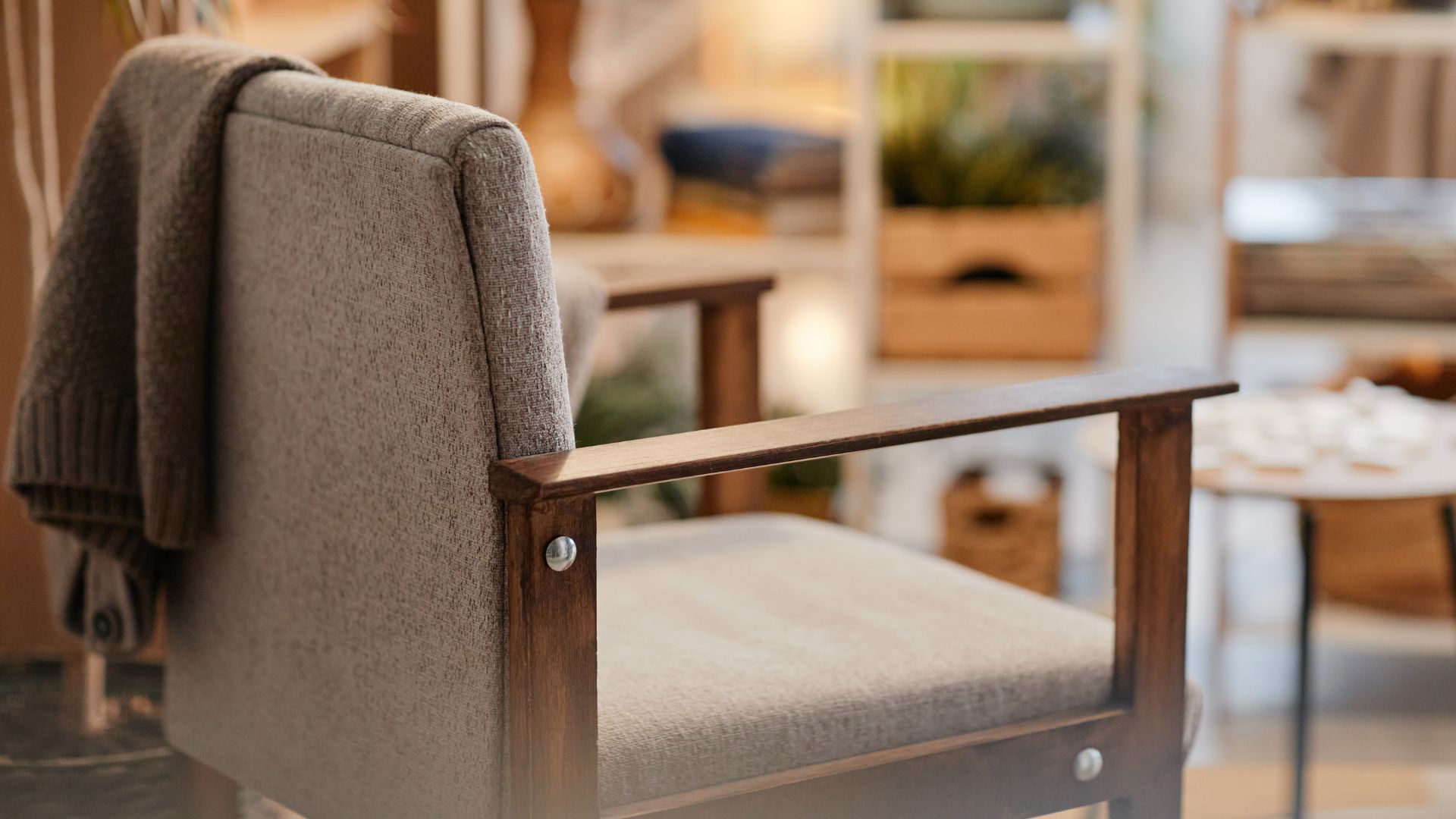
Soft furniture refers to seating elements that prioritise comfort and informality.
This includes lounge chairs, couches, ottomans and modular seating that can be arranged in different configurations.
Unlike traditional office furniture, these pieces are not designed for structured desk work. Instead, they support more flexible use of space.
They create areas where people can pause, connect or work in a less formal setting.
When used correctly, soft furniture adds depth to a workspace. It creates variation between structured and unstructured areas, which is essential in modern office design.
Where Soft Furniture Works Best in an Office
Soft furniture is most effective when it is placed in areas that naturally support informal use.
These are spaces where comfort enhances the experience rather than disrupting functionality.
Reception Areas
Reception spaces are often the first point of contact for clients and visitors.
Introducing soft seating here immediately changes the tone of the space. It creates a welcoming environment that reflects a more considered and professional brand image.
Instead of rigid waiting areas, comfortable seating encourages a more relaxed interaction from the moment someone enters the office.
This is particularly important in cities like Cape Town and Durban, where client experience plays a key role in business perception.
Breakout and Pause Areas
Breakout spaces are designed for short breaks, informal discussions and moments away from the desk.
Soft furniture works naturally in these areas.
It encourages employees to step away from structured workstations and engage in a more relaxed setting. This often leads to better collaboration and improved team interaction.
When these spaces are designed well, they become some of the most used areas within an office.
Coffee and Canteen Spaces
Coffee areas and canteens have become central to modern office environments.
They are no longer purely functional spaces. They are places where teams connect, reset and engage informally.
Soft seating enhances this experience.
It allows the space to feel more like a social environment rather than a traditional staff area. This shift supports both employee wellbeing and company culture.
In many current projects, these areas are becoming key design features rather than secondary considerations.
Informal Meeting Zones
Not every conversation needs to happen in a boardroom.
Informal meeting areas, supported by soft furniture, provide an alternative.
These spaces are ideal for quick discussions, brainstorming sessions or one-on-one meetings. They reduce the pressure of formal settings and encourage more open communication.
When integrated correctly, they complement traditional meeting rooms rather than replace them.
Where Soft Furniture Does Not Work
While soft furniture adds value in the right areas, it is not suitable for every part of an office.
Understanding where it does not work is just as important.
Focused Work Areas
Spaces that require concentration and structured work are not suited to soft seating.
Desks and ergonomic chairs are designed to support posture and productivity over longer periods.
Replacing these with soft furniture can reduce efficiency and create discomfort over time.
High-Traffic Zones
Areas with constant movement need to remain clear and functional.
Introducing soft furniture into these spaces can disrupt flow and create congestion.
This impacts both safety and usability.
Spaces That Require Structure
Certain environments, such as formal meeting rooms or operational areas, require a level of structure that soft furniture cannot provide.
In these cases, traditional furniture remains the better option.
The goal is not to replace all furniture, but to create balance within the space.
The Role of Space Planning in Soft Furniture
Soft furniture should never be added as an afterthought.
It needs to be considered as part of the overall layout from the beginning.
This is where space planning becomes critical.
A well-designed floor plan ensures that soft seating areas are positioned correctly, with enough space for movement and interaction.
It also ensures that these areas do not interfere with core work zones.
Without proper planning, soft furniture can feel disconnected from the rest of the office.
With the right approach, it becomes an integral part of how the space functions.
Choosing the Right Soft Furniture
Selecting the right soft furniture involves more than choosing what looks good.
Commercial environments require durability, practicality and long-term performance.
Fabric selection is important, particularly in high-use areas. Materials need to be easy to maintain while still delivering on aesthetics.
Scale and proportion also matter.
Furniture that is too large can overwhelm a space, while furniture that is too small may feel insignificant.
When aligned with the layout, the right choices enhance both the functionality and visual appeal of the office.
Why It Matters for Businesses in Cape Town and Durban
Workplace expectations are evolving across South Africa.
In cities like Cape Town and Durban, businesses are competing not only on service delivery, but also on how they attract and retain talent.
Office environments play a role in this.
Spaces that feel considered, comfortable and well-designed create a better experience for both employees and clients.
Soft furniture contributes to this shift.
However, its success depends on how well it is integrated into the overall design and planning of the space.
FAQ: Soft Furniture in the Workplace
Is soft furniture suitable for all offices?
Not always. It works best in informal areas and should be balanced with structured workspaces.
Does soft furniture replace traditional office furniture?
No. It complements it by creating alternative spaces within the office.
Is soft furniture more expensive?
It can be, depending on quality and materials, but it adds value when used correctly.
How do you maintain soft furniture in an office?
Choosing durable, commercial-grade materials ensures easier maintenance and longer lifespan.
Comfort Needs Structure
Soft furniture plays an important role in modern office design.
It introduces comfort, flexibility and a more human element into the workplace.
However, without structure and planning, it can quickly lose its impact.
The most effective office spaces balance comfort with functionality.
They are designed with intention, ensuring that every element — including soft furniture — supports how the space is used.
For businesses in Cape Town and Durban, this approach ensures that design decisions are not only visually appealing, but also practical and aligned with long-term growth.
In the end, it is not about adding more furniture.
It is about creating a space that works.