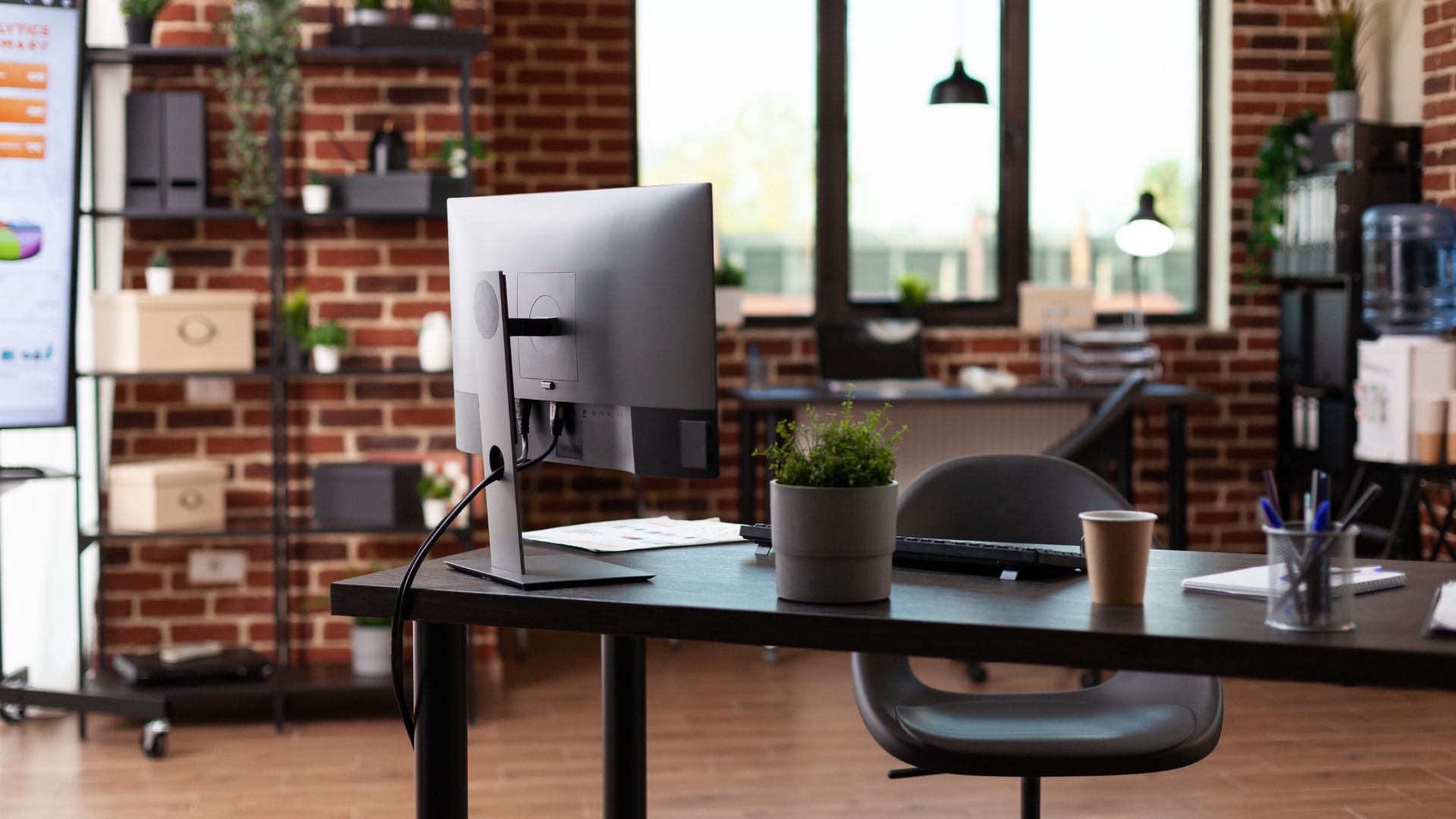
In South Africa, particularly in fast-growing hubs like Cape Town and Durban, commercial space doesn’t come cheap. For many businesses — from start-ups to established SMEs — renting or owning a smaller office is the reality. But small doesn’t have to mean cramped, uninspiring, or unprofessional. With the right renovation strategies, even the most compact office can feel spacious, modern, and tailored to productivity.
At ProTurnKey, we specialise in creating workspaces that don’t just look good but actually work better. Over the years, we’ve discovered secret design and renovation tips that instantly make small offices appear bigger, brighter, and more inviting. If you’re considering an office renovation, these strategies will inspire you to rethink your space and unlock its true potential.
Why Small Office Renovations Matter
Your office isn’t just a place to work. It’s a reflection of your brand, your culture, and the way your business operates. For clients, it’s the first impression. For staff, it’s where ideas are born, connections are made, and productivity either flourishes or fails.
Yet small offices can feel limiting. Without smart planning, they risk becoming cluttered, dark, and uninspiring — which affects morale, efficiency, and even recruitment. A renovation is the perfect opportunity to reimagine your environment and design a space that feels bigger, better, and aligned with your business goals.
Secret Tips to Make a Small Office Look Bigger
Here are the design and renovation tricks we’ve used to transform compact workspaces into environments that feel twice their size.
1. Maximise Natural Light
Nothing makes a space feel larger than light. Dark offices shrink perception, while bright, airy ones expand it.
- Opt for glass partitions instead of solid walls.
- Position desks to make the most of windows.
- Add mirrors to bounce light around.
- Choose light-coloured paint like whites, soft greys, or pale neutrals.
💡 ProTurnKey tip: In Durban’s humidity and Cape Town’s varied climate, consider window films that reduce glare and UV while still letting light flood the room.
2. Declutter with Built-In Storage
Clutter is the enemy of small spaces. If files, cables, and stationery are visible everywhere, your office will always feel smaller.
- Use built-in cabinets that blend with the wall colour.
- Choose multi-functional furniture (e.g., desks with hidden storage).
- Go digital wherever possible to reduce paperwork.
💡 ProTurnKey tip: Vertical storage is a lifesaver. Use shelving that extends upward, drawing the eye to the ceiling and creating the illusion of height.
3. Go Open Plan — but Smartly
In small offices, walls can feel like barriers that consume precious space. An open-plan layout with zones instead of separate rooms often makes more sense.
- Replace enclosed boardrooms with modular meeting pods.
- Use furniture (like couches or shelving) to create zones instead of walls.
- Incorporate glass doors for privacy without blocking flow.
💡 ProTurnKey tip: If you need private areas, consider sliding or foldable walls that give flexibility.
4. Use Colour Strategically
Colours affect how we perceive space.
- Light tones expand a room visually.
- Accent colours (one bold wall or furniture piece) add energy without overwhelming.
- Monochrome palettes (different shades of one colour) create continuity, reducing the sense of clutter.
💡 ProTurnKey tip: Add greenery — plants not only purify air but create a natural sense of openness.
5. Invest in Modular & Flexible Furniture
One of the smartest moves in small offices is to go modular.
- Desks that fold away or move on wheels.
- Stackable chairs for meeting areas.
- Modular storage systems that grow with your business.
💡 ProTurnKey tip: South African suppliers increasingly offer modular solutions — ask us about partnerships that save both cost and space.
6. Make Ceilings Work for You
Often overlooked, ceilings play a big role in how spacious a room feels.
- Paint ceilings in lighter colours to make rooms feel taller.
- Add vertical lighting fixtures to draw the eye upward.
- Exposed ceilings (industrial look) add height and modern appeal.
7. Incorporate Glass & Transparency
Glass walls, sliding glass doors, and glass dividers eliminate visual barriers. They make spaces feel continuous and open, while still providing structure.
💡 ProTurnKey tip: For Cape Town businesses in high-rise offices, use glass to frame views of Table Mountain or the ocean — it instantly makes your office feel bigger and more connected to the city.
8. Design for Flow & Movement
A small office feels smaller if people constantly bump into furniture or fight for space. Layout is everything.
- Keep pathways clear.
- Avoid oversized desks or bulky furniture.
- Consider corner desks to free up walking space.
💡 ProTurnKey tip: Think about how people move daily — design circulation like traffic flow in a city.
9. Leverage Technology
Clunky equipment can make a small office feel dated and crowded.
- Switch to wireless tech where possible.
- Use wall-mounted screens instead of bulky TVs.
- Store servers off-site or use cloud solutions to save space.
10. Create Multi-Use Areas
Why dedicate one room for one function when you can make it versatile?
- A boardroom that doubles as a training space.
- A reception area that doubles as a hot-desking hub.
- A kitchen that doubles as a casual collaboration zone.
💡 ProTurnKey tip: In smaller Cape Town CBD offices, multi-use spaces reduce rental costs by avoiding the need for bigger premises.
Renovation Case Study: Small Space, Big Impact
One Cape Town start-up approached ProTurnKey with a 60m² office that felt cramped. After applying strategies like glass partitions, modular desks, vertical storage, and a calming colour scheme, we increased usable workspace by 35% — without increasing the actual square meterage.
The result? A small office that now looks twice the size and functions like a medium-sized one.
Why Partner With ProTurnKey?
- We don’t just renovate offices — we design experiences that elevate your brand. Whether your business is in Cape Town or Durban, our turnkey solutions mean:
One partner from design to completion. - Access to vetted contractors, suppliers, and designers.
- Expertise in small-space transformations that deliver maximum impact.
- Future-proof designs aligned with sustainability and flexibility.
Frequently Asked Questions (FAQs)
- How long does a small office renovation take?
On average, 4–8 weeks depending on scope. Simple upgrades like paint and furniture are faster, while structural changes take longer. - Is renovating a small office cost-effective?
Yes. Compact spaces mean lower material and labour costs, and when designed smartly, they often eliminate the need to upsize to bigger (and more expensive) offices. - Do small offices need professional design?
Absolutely. Small spaces are less forgiving. Every metre counts — and mistakes are costly. Professional design ensures maximum impact. - Can ProTurnKey help with budget planning?
Yes. We provide detailed, itemised fit-out quotes and advise on cost-saving options without compromising quality. - What’s the biggest mistake in small office renovations?
Underestimating storage and overfilling with furniture. Both create clutter that shrinks the perception of space.
A small office doesn’t mean small ambition. With the right renovation approach, compact workspaces in Cape Town and Durban can be transformed into vibrant, spacious-feeling environments that inspire staff and impress clients.
At ProTurnKey, we specialise in making the most of every square metre, turning limitations into opportunities for smarter, greener, and more impactful design.