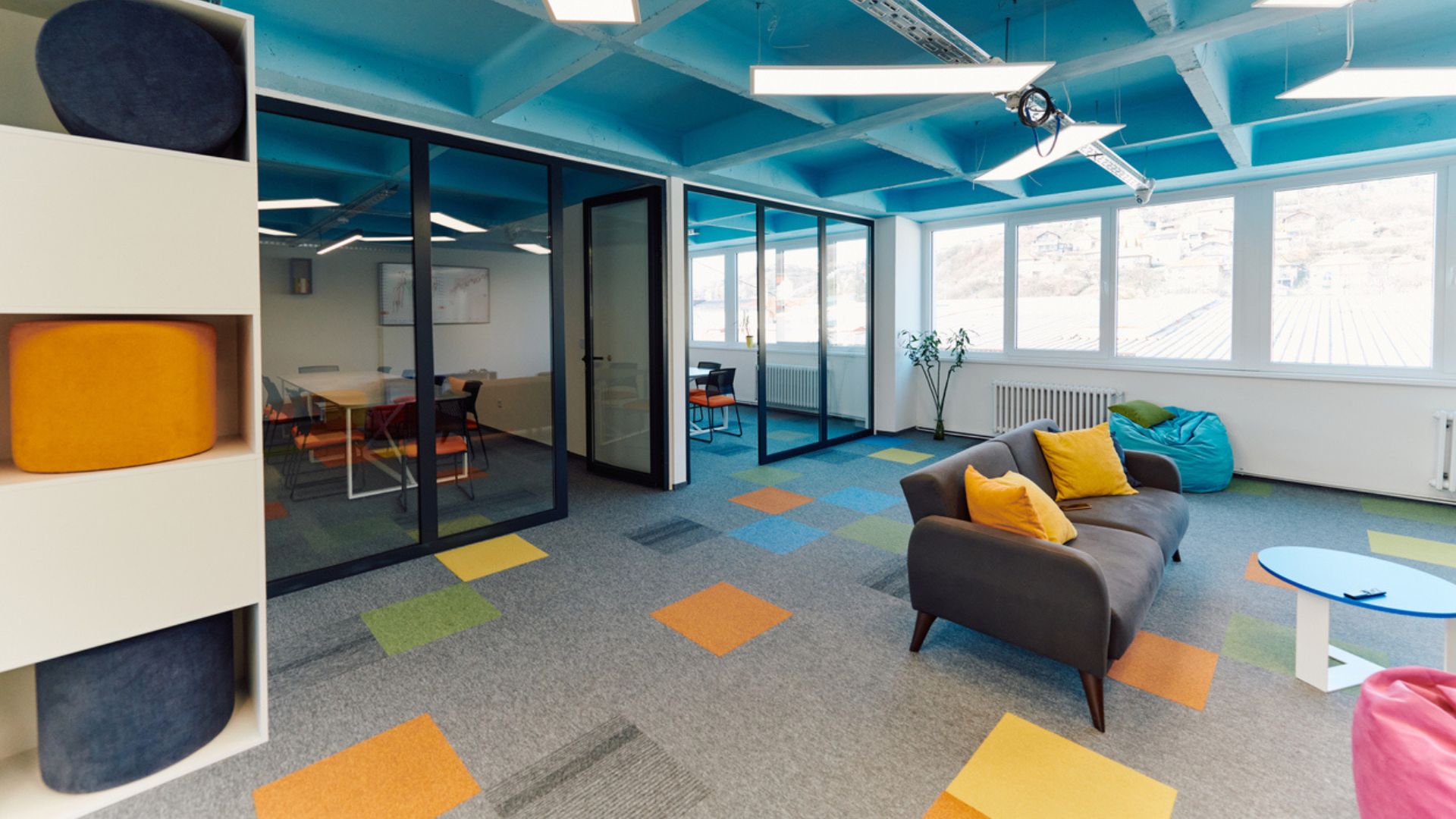
Sensory Design in the Modern Office: How Workstations Shape Productivity and Wellbeing in Cape Town and Durban
Walk into any office in Cape Town’s bustling CBD or Durban’s growing business hub, and you’ll notice something remarkable — the best spaces don’t just look good, they feel good.
From the warm morning light streaming through the windows of a Sea Point office to the calming textures and natural tones in a Durban co-working space, sensory design has quietly become one of the most powerful tools in modern workspace strategy.
At ProTurnkey, we believe that great work happens when spaces are designed to engage the senses — where sight, sound, touch, smell, and even taste contribute to how employees experience their environment every day.
What is Sensory Design?
Sensory design goes beyond décor and furniture selection. It’s about humanising the workspace — creating an environment that stimulates the senses to enhance comfort, focus, and emotional wellbeing.
In South Africa, where work culture is evolving rapidly with hybrid and flexible models, sensory design helps bridge the gap between functionality and feeling. It turns workstations into experiences — spaces that people want to be in.
When you think of sensory design, consider how each of the five senses plays a role:
- Sight: Colours, lighting, and spatial flow.
- Sound: Acoustics, background noise, and collaborative energy.
- Touch: Textures, materials, and temperature.
- Smell: Clean air, subtle scents, and ventilation.
- Taste: Access to fresh coffee, water stations, and kitchen design.
Each element influences mood, productivity, and connection. When thoughtfully combined, they create offices that inspire people to do their best work.
Sight: Lighting and Colour as Productivity Catalysts
Natural light is one of the most underrated performance boosters. In Cape Town, offices near the mountain or coast have the unique advantage of abundant natural light — and with clever design, this can be maximised to reduce eye strain and energise teams.
Lighting strategies that work:
- Maximise daylight with glass partitions and open layouts.
- Use layered lighting — task, ambient, and accent — to create flexibility throughout the day.
- Incorporate dimmable features for individual control and comfort.
- Choose LED and energy-efficient fittings to reduce costs and environmental impact.
In Durban’s warmer climate, glare and humidity can affect focus. Here, the use of soft ambient lighting and neutral palettes creates a calm, cool feel that keeps employees comfortable even on the hottest summer days.
Colour psychology also plays a big role:
- Blue tones promote focus and calm.
- Green evokes balance and creativity — perfect for brainstorming zones.
- Yellow energises — ideal for collaborative spaces.
- Neutral tones create timeless sophistication and brand consistency.
At ProTurnkey, we’ve seen first-hand how colour coordination across partitions, furniture, and wall features not only uplifts the mood but reinforces company identity — giving teams a sense of belonging and pride.
Sound: Designing for Focus in Open and Hybrid Offices
Open-plan offices are popular for collaboration, but they often bring the challenge of noise management. Conversations, phones, and even air-conditioning can distract employees.
That’s why acoustic design is essential — especially in hybrid setups where virtual meetings happen side-by-side with in-person collaboration.
ProTurnkey design strategies include:
- Installing acoustic panels and ceiling baffles to absorb sound.
- Designing zoned work areas — quiet zones, collaboration zones, and breakout zones.
- Using sound-masking systems to balance background noise.
- Selecting soft materials like carpet tiles, upholstered furniture, and felt dividers.
In Cape Town’s creative agencies, where energy is high and collaboration constant, acoustics help maintain focus without killing the vibe. Meanwhile, Durban’s coastal humidity benefits from sound solutions that also improve airflow and ventilation — ensuring comfort on every level.
Touch: The Power of Texture and Ergonomics
Touch influences how connected we feel to our workspace. Think of the smooth surface of a desk, the warmth of wooden finishes, or the soft texture of a fabric chair — each tactile detail contributes to the experience.
For employees spending long hours at their desks, ergonomic design is key:
- Adjustable chairs that support posture.
- Sit-stand desks to encourage movement.
- Rounded edges on desks to prevent strain.
- Temperature and air flow that adapt to comfort.
At ProTurnkey, we use tactile finishes — like textured laminates, biophilic materials, and natural wood accents — to bring warmth into otherwise sterile office environments. These subtle design cues make a major difference in employee engagement and satisfaction.
Smell: The Invisible Mood Enhancer
We often overlook how much scent affects our work. A space that smells clean and fresh immediately feels more inviting and energising.
In Durban’s humidity or Cape Town’s city air, poor ventilation can quickly lead to stuffiness. ProTurnkey designs ventilation systems and material selections that prioritise air quality — using low-VOC paints, air-purifying plants, and open flow layouts to keep the space breathable.
For a finishing touch, subtle natural scents — like citrus or lavender diffusers — can improve alertness and relaxation.
Taste: Designing for Connection and Comfort
The sensory experience doesn’t stop at the desk. Modern workplaces prioritise communal eating and social spaces — from kitchenettes and coffee stations to open lunch zones.
In Cape Town, where café culture runs deep, we’re seeing more offices design “micro cafés” within the workspace — encouraging spontaneous interactions over a flat white.
In Durban, outdoor courtyards and shaded break areas allow staff to enjoy the subtropical climate while recharging between meetings.
These spaces may seem secondary, but they’re vital for culture and wellbeing. They remind teams that the office isn’t just a place to work — it’s a place to connect.
Organisation: The Silent Stress Reducer
No sensory design strategy is complete without considering organisation. Cluttered desks and overflowing storage create visual noise and stress.
ProTurnkey integrates smart storage solutions, including:
- Modular pedestals and lockers for personal items.
- Built-in cabinetry to reduce surface clutter.
- Concealed cable management to keep tech tidy.
- Flexible shelving that doubles as acoustic or decorative dividers.
A tidy workspace doesn’t just look better — it helps employees think better.
Sensory Design in Action: Bringing It All Together
Every detail — from lighting and acoustics to storage and scent — comes together to create a holistic experience.
In Cape Town’s finance and tech hubs, businesses are using sensory design to balance high-performance environments with employee wellbeing.
In Durban’s hospitality and logistics sectors, companies are embracing biophilic elements — greenery, natural light, and local materials — to create workplaces that feel both sustainable and grounded in the region’s unique culture.
The key is customisation: understanding each company’s workflow, brand identity, and local context, then translating that into a space that works for its people.
Why Sensory Design Matters for South African Businesses
As the future of work evolves, sensory design isn’t just about aesthetics — it’s a strategic investment in performance, retention, and culture.
A 2024 study by Global Workplace Analytics found that employees working in well-designed sensory environments report:
- 15% higher productivity
- 25% greater job satisfaction
- 30% reduction in absenteeism
In cities like Cape Town and Durban, where talent competition is fierce, offering an inspiring, human-centric workspace gives companies a tangible edge.
Partner with ProTurnkey: Experts in Sensory-Driven Workspace Design
At ProTurnkey, we don’t just build offices — we craft environments that engage the senses and empower people to thrive.
Whether you’re refreshing your Cape Town HQ, upgrading a Durban satellite office, or designing a new hybrid workspace, our team of designers, project managers, and workspace strategists will help you create a space that truly works for people.
Because the modern South African workplace isn’t just about where we work — it’s about how it makes us feel.