
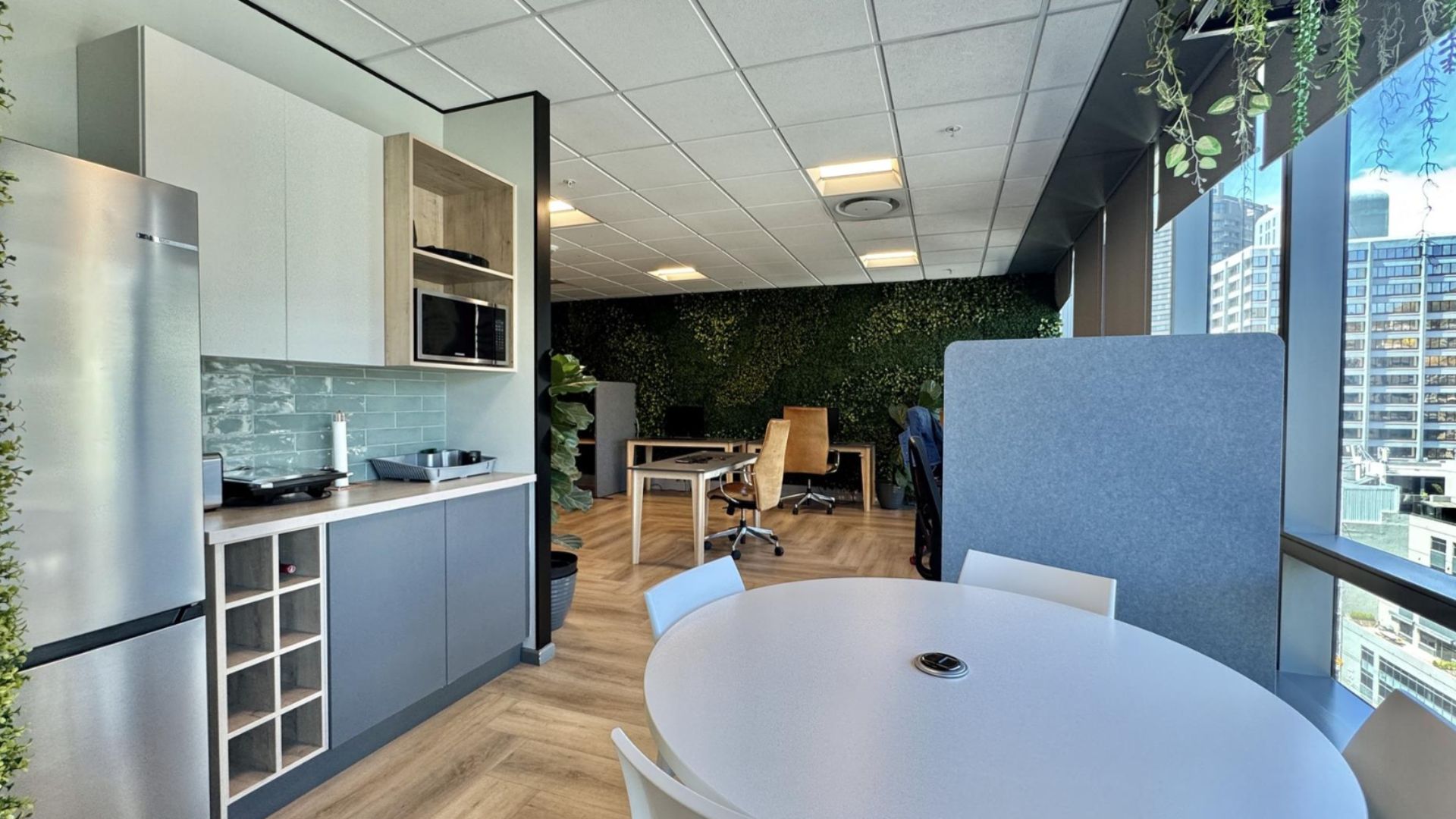
An empty office holds potential, but potential without direction often leads to costly mistakes.
Many businesses move into a new space and immediately focus on finishes, furniture and branding. The visual outcome becomes the priority. However, what sits beneath that surface is far more important.
Office space planning is where performance is defined. It determines how people move through the space, how teams interact and how efficiently the environment supports daily operations.
Without a clear plan, even the most visually appealing office can fail to deliver on functionality.
Why Layout Is the Most Important Decision in a Fit-Out
Before construction begins, layout decisions quietly shape everything that follows.
Flow and Functionality
A well-planned layout allows a business to operate naturally. Teams that need to collaborate are positioned together, while focused work areas are protected from high-traffic zones.
When layout is not considered properly, small inefficiencies begin to build. Over time, these turn into daily frustrations that impact productivity.
Space Efficiency and Cost Control
Office space is a significant cost for any organisation. Poor planning often results in space that is either underutilised or overcrowded.
A strategic layout ensures that every square metre is used effectively. This reduces unnecessary construction changes and prevents budget overruns later in the project.
Common issues caused by poor planning include:
- Wasted or unused areas within the office
- Overcrowded work zones that affect comfort and performance
- Late design changes that increase project costs
Planning for Growth
A workspace should support not only current operations but also future expansion.
Planning allows for flexibility by considering how teams may grow or change over time. This can include adaptable work areas, shared spaces and layouts that can evolve without requiring a full redesign.
Without this foresight, businesses often outgrow their space far sooner than expected.
The Risk of Designing Without Planning
One of the most common mistakes in office fit-outs is prioritising design before layout is properly resolved.
This approach often leads to:
- Changes during construction
- Misalignment between space and workflow
- Ineffective use of lighting and acoustics
- Increased overall project costs
These issues are rarely visible at the beginning of a project. They only become clear once the space is in use, when changes are more disruptive and expensive to implement.
Planning reduces this risk by ensuring that every design decision is aligned with how the business operates.
Key Considerations in Office Space Planning
Understanding How Teams Work
Every business has its own way of operating. Some teams rely heavily on collaboration, while others require quiet, focused environments.
Planning should take into account:
- Team structure and size
- Communication patterns between departments
- The balance between individual and collaborative work
When these factors are considered early, the workspace becomes a tool that supports productivity rather than limiting it.
Balancing Open and Private Spaces
Open plan offices remain popular, but without careful planning they can negatively impact performance.
Research shows that excessive noise and distraction can reduce productivity by up to 15 percent. This highlights the importance of creating balance within the space.
A well-designed layout typically includes a mix of:
- Open work areas for collaboration
- Private spaces for focused work
- Meeting rooms for structured discussions
This balance allows employees to choose the environment that best suits their tasks.
Natural Light and Workplace Wellbeing
Access to natural light plays a significant role in employee wellbeing and performance.
Studies have shown that employees with exposure to natural light experience improved sleep quality, better mood and increased productivity.
Planning should prioritise positioning key work areas where they can benefit from daylight, rather than treating lighting as an afterthought.
Infrastructure and Practical Integration
Behind every well-functioning office is a network of infrastructure that supports daily operations.
This includes power, data, lighting and ventilation systems. These elements are all influenced by layout decisions.
When planning is done correctly, these systems are integrated seamlessly. When overlooked, they often result in visible cabling, poor lighting distribution and costly adjustments later.
Turning Empty Space Into a High-Performance Workplace
An empty office is not simply a blank canvas. It represents an opportunity to shape how a business operates.
At this stage, every decision matters. The placement of teams, the flow of movement and the overall structure of the space all contribute to how effectively the environment performs.
Businesses that approach this stage strategically are able to create workplaces that support efficiency, collaboration and long-term growth.
The Link Between Planning and Business Performance
Workplace design has evolved beyond aesthetics. It now plays a direct role in business performance.
Effective office space planning contributes to measurable outcomes such as:
- Improved productivity through better workflow
- Reduced absenteeism linked to a more comfortable environment
- Higher employee retention due to improved workplace experience
- Stronger client perception when visiting the space
These factors demonstrate that planning is not just a design step. It is a business decision.
A Structured Approach to Successful Fit-Outs
Successful office projects follow a clear and structured process. Planning is always the starting point.
This typically involves:
- Understanding the operational needs of the business
- Translating those needs into a functional layout
- Then developing the design and finishes around that layout
When this process is followed, the final result is not only visually appealing but also highly functional.
Planning First. Design Second. Always.
The most effective workspaces are not defined by how they look on completion, but by how they perform over time.
That performance begins with planning.
Before any design decisions are made, the focus should be on understanding how the space needs to work. Once that is clear, design becomes a tool that enhances an already strong foundation.
A well-planned office does more than look good. It supports the people within it and contributes to the success of the business.
