
Moving offices involves far more than finding the next space, planning the new layout and organising moving day. There is another office project happening at exactly the same time: preparing the premises you are leaving for handover to the landlord. Depending on the terms of your commercial lease, this may involve removing alterations made during your tenancy, repairing damage, stripping out parts of the fit out and returning certain finishes or services to an agreed condition. This process is commonly referred to as office reinstatement or make good works, and leaving it too late can create unnecessary pressure at a point when your business is already managing a relocation.
For businesses in Cape Town, Durban and other commercial centres across South Africa, the extent of an office reinstatement can vary considerably from one property to another. One tenant may only need to remove branding, furniture and a few internal alterations, while another may need to remove partitions, reinstate flooring, repair ceilings, alter electrical services and return significant parts of the office to its original configuration. The important point is that the required scope should not be assumed. It needs to be established from the lease, the landlord’s requirements and the actual condition of the premises before the reinstatement programme and budget are finalised.
Proturnkey provides dedicated office reinstatement services for commercial tenants, including site assessment, strip out works, make good repairs, reinstatement of services, landlord coordination and project close out.
Start With the Lease, Not the Strip Out
The first step in any office reinstatement should happen before contractors begin removing anything. The commercial lease and any related schedules, plans, landlord approvals or records of alterations need to be reviewed so that the business understands what it agreed to return at the end of the tenancy. A landlord may expect the premises to be restored to a particular base building condition, while another lease may define a different handover standard. Alterations that were approved during the tenancy can also carry conditions relating to what happens when the lease ends. Starting demolition without establishing those obligations first creates the risk of removing something that could have remained or overlooking work that the landlord expects to be completed.
This is why the reinstatement scope should be treated as a defined commercial project rather than a general instruction to “put the office back the way it was.” The starting condition of the premises, subsequent alterations, lease requirements and current landlord expectations all need to be considered together. Plans, photographs, condition reports and records from the beginning of the lease can be particularly useful if they are available. The objective is to turn contractual requirements into a practical scope of work that clearly identifies what stays, what goes, what needs repair and what needs to be reinstated.
Do Not Leave Reinstatement Until the Last Few Weeks of the Lease
Office moves tend to direct attention towards the new workplace. There are layouts to approve, furniture decisions to make, IT systems to coordinate, employees to communicate with and an entirely new office to prepare for occupation. The old office can quickly become an afterthought, particularly once most of the team has physically moved out. The problem is that the lease expiry date continues approaching regardless of how much work is happening at the new premises, and reinstatement may involve considerably more than removing furniture and handing back the keys.
An early assessment gives the business time to understand the work required, obtain costs, establish the programme and coordinate the project around the relocation. It also creates room to deal with unexpected issues rather than discovering them days before handover. Proturnkey structures its office reinstatement projects around lease terms, building specifications and handover deadlines, which is particularly important where work must be completed within a strict lease exit programme. ProTurnkey Businesses planning a broader move can also read Why Project Management Matters in Office Renovations and Relocations, which explores why coordination, scope control and clear accountability become so important during relocation.
Understand What Has Changed Since You Took Occupation
Very few offices look exactly the same at the end of a commercial lease as they did on the first day. Businesses add meeting rooms, alter partitions, install signage, change flooring, add power and data points, build storage, modify kitchens, install feature lighting and adapt spaces as their teams grow. Some of those changes may have improved the property, but that does not automatically mean every alteration can remain when the tenant leaves. The relevant question is what the lease and landlord require at handover.
A proper site assessment therefore needs to look beyond obvious cosmetic changes. Partitions, ceilings, flooring, lighting, electrical installations, air conditioning, data infrastructure, joinery, fixtures and general finishes may all form part of the review. Proturnkey’s reinstatement process begins with an assessment of the existing fit out and the tenant’s reinstatement obligations before a plan is developed showing what needs to be removed, repaired or returned to base building condition. ProTurnkey This creates a much stronger basis for budgeting and scheduling than simply estimating the project from the visible condition of the office.
Strip Out Does Not Mean Destroy Everything
he phrase “office strip out” can create the impression that the solution is to remove everything until the premises are empty. In practice, a commercial reinstatement should be much more controlled. The required end condition determines what is removed, not the assumption that every component of the existing fit out needs to disappear. Depending on the premises and lease obligations, strip out work may involve partitions, furniture, fixtures, ceilings, flooring or internal installations, but the scope should be established before physical work begins.
This distinction matters because unnecessary removal adds labour, waste, disposal and potentially additional reinstatement work. Removing an element can expose surfaces or services that then need repair, while leaving something that should have been removed can cause problems during landlord inspection. A defined scope gives contractors a clear target and allows the business to understand the real cost of the project before work is underway. It also helps separate genuine reinstatement obligations from improvements or alterations that may not be required for handover.
Walls, Partitions and Meeting Rooms Often Need Close Attention
Internal partitions are among the most visible changes businesses make during occupation. Glass offices, meeting rooms, private offices and acoustic spaces may all have been created specifically for the outgoing tenant. If those elements need to be removed, the work does not necessarily end once the partition is gone. Adjacent ceilings, floors, walls, skirtings and services may need attention where the partition connected to the surrounding structure.
The same principle applies to doors, glazing and built in elements. The scope needs to account for the effect that removal has on the surfaces and services around them. A neat handover is not simply about taking unwanted structures away. It is about leaving the affected areas in the condition required for the next stage of the property. This is where an experienced commercial interiors team can identify the knock on work associated with apparently simple removal tasks before those tasks are priced and scheduled.
Flooring Can Become a Bigger Job Than Expected
Flooring is another area where the scale of reinstatement can easily be underestimated. Workstations, partitions, reception desks and built in joinery may have been installed over or around different flooring finishes. Once those elements are removed, the floor can reveal patching, discolouration, adhesive, fixing points, uneven transitions or sections where flooring was never installed in the first place. A space that looked reasonably consistent while fully furnished can therefore look very different once the fit out has been stripped back.
The required response will depend on the handover standard. Some areas may only need repairs or cleaning, while others may require sections to be replaced or restored. The important point is to assess the likely condition before the final days of the project. Flooring repairs can involve materials, lead times and access requirements that need to be incorporated into the programme. Treating flooring as part of the reinstatement assessment rather than a final cosmetic touch reduces the risk of discovering a significant issue once most other work has already been completed.
Look Above the Floor Plan
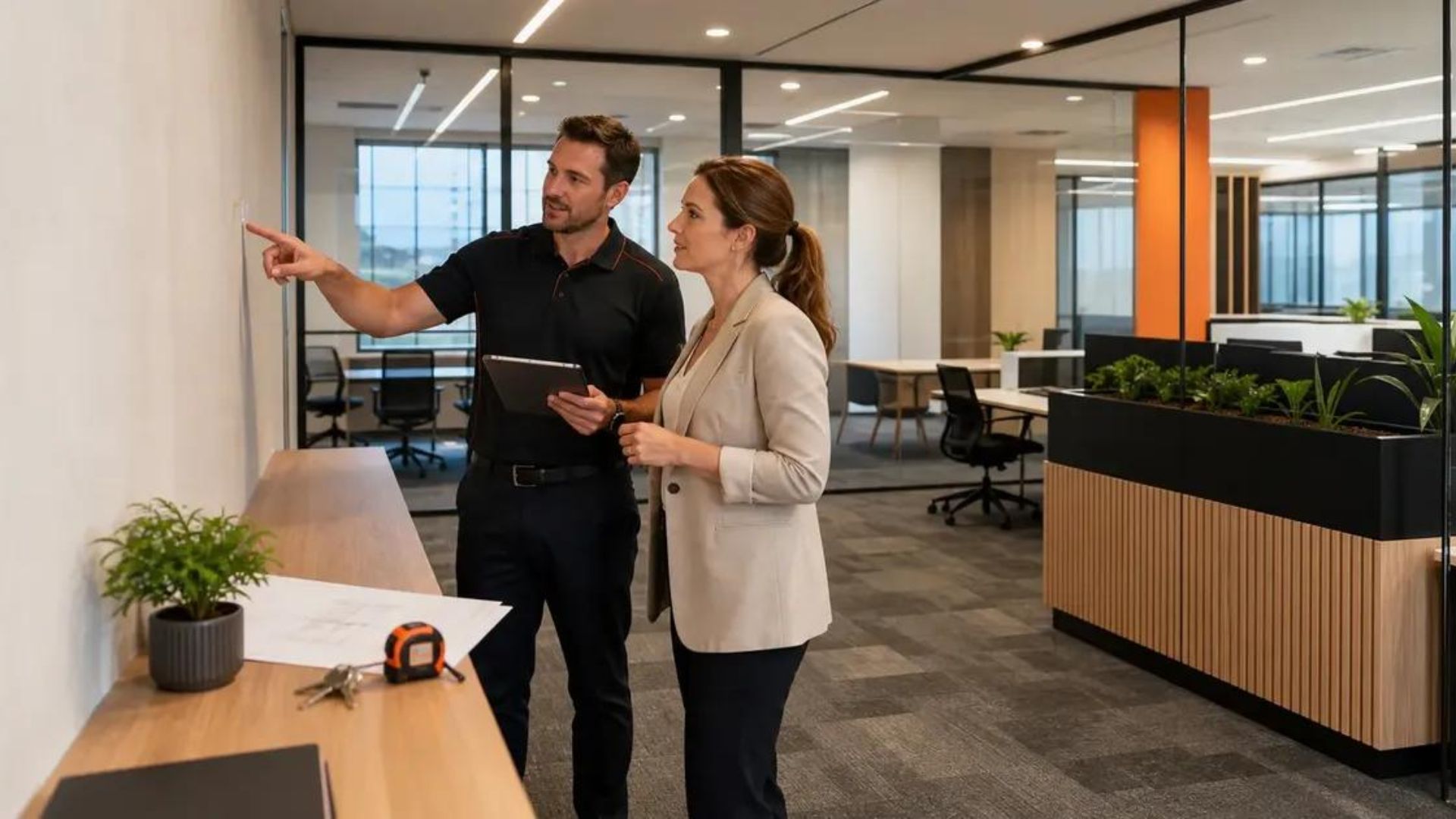
Ceilings are easy to overlook because they tend to disappear visually into the background of an occupied office, yet they can become a significant part of reinstatement work. Partition changes, relocated lighting, air conditioning modifications, speakers, sensors and other services can all affect the ceiling system. Removing an internal room may leave evidence of where walls met the ceiling or reveal differences in ceiling tiles, grid sections or service positions.
The ceiling should therefore be assessed alongside the layout rather than treated as a separate finishing item. Proturnkey’s reinstatement service specifically considers ceilings, lighting, electrical systems and air conditioning as part of the overall assessment. ProTurnkey coordinating these elements matters because changing one component can affect several others. Removing a meeting room, for example, can create work across the partition, ceiling, lighting, HVAC and floor at the same time. Looking at those connections early produces a more accurate scope and a more controlled programme.
Electrical, Data and HVAC May Need to Be Returned to Base Configuration
An office can accumulate substantial infrastructure changes over the course of a lease. New workstations may have required additional power. Meeting rooms may have received screens, floor boxes and data points. Server rooms, private offices and collaborative areas may have required electrical or mechanical alterations. Air conditioning may have been modified when partitions changed. These additions are valuable while the tenant occupies the office, but the lease exit requirements may call for certain services to be removed or returned to a base building configuration.
This is specialist work and should not be treated as an afterthought at the end of a strip out. Proturnkey includes electrical and mechanical reinstatement where necessary, including lighting circuits, data points, HVAC systems and other services that need to be returned to the required configuration. ProTurnkey The sequencing is important too. Services need to be isolated and altered safely, and the resulting ceiling, wall or floor repairs need to fit into the wider construction programme.
Branding and Bespoke Features Need Their Own Exit Plan
Branding is often one of the first things installed when a business moves into an office and one of the last things considered when it leaves. Reception logos, vinyl graphics, wall treatments, signage, feature walls, custom reception desks and branded meeting rooms can be deeply integrated into the fit out. Removing them may leave fixing points, adhesive residue, colour differences or damaged finishes that need to be repaired before handover.
Bespoke joinery can create similar questions. Some pieces may be freestanding and suitable for relocation, while others may have been constructed specifically for the existing premises. Decisions about what travels to the new office and what remains or is removed should be made early because they affect both the old and new projects. This is particularly important when the same business is simultaneously fitting out its next workplace. Proturnkey’s broader office renovation and refurbishment services cover the redesign, reconfiguration and upgrading of commercial offices, allowing the requirements of the old and new workplaces to be considered as part of a more coordinated transition.
Coordinate the Reinstatement With the New Office Project
The old office and new office should not be planned as if they are unrelated projects. They are connected by the same people, furniture, technology, operational deadlines and budget. A delay in the new fit out can affect when the business can vacate the old premises. A delay in the move can reduce the time available for reinstatement. Furniture needed at the new premises cannot be removed too early, while furniture that is not being reused needs its own disposal or removal plan.
A coordinated programme works backwards from the critical dates. It considers when employees move, when IT systems transfer, when furniture can be removed, when the old premises become fully available to contractors, how long reinstatement will take and when landlord inspections need to occur. Proturnkey’s project management service is structured around scope, timelines, contractor coordination, cost control, risk management, site supervision, quality assurance and handover. For businesses managing both sides of a move, that level of coordination can help prevent the lease exit from becoming a separate last minute crisis.
Make Good Works Are About the Details Left Behind
Once major strip out work is complete, the focus shifts to the details that determine how finished the premises actually feel. Wall patching, paint restoration, ceiling repairs, floor repairs and reinstatement of base services may all form part of make good works. Small defects can become much more visible once furniture, artwork, branding and equipment have been removed. Marks that disappeared behind cabinets for years are suddenly exposed, while old fixing points, cable routes and altered finishes can make a supposedly empty office look unfinished.
These details are why reinstatement should include a proper finishing and quality control stage rather than ending when demolition finishes. The final condition needs to be assessed against the agreed scope and landlord requirements. Snagging should identify outstanding work while there is still time to rectify it. The goal is not merely an empty office. The goal is premises prepared to the agreed handover standard.
Landlord Coordination Should Happen Before Final Handover
Waiting until the last day to ask whether the landlord is satisfied with the reinstatement creates unnecessary risk. Building managers and landlords may have specific requirements for contractor access, working hours, waste removal, lifts, loading areas, permits and the condition in which services or finishes are returned. Those requirements can influence both the scope and programme, particularly in multi tenant commercial buildings where construction activity needs to be carefully managed.
Proturnkey coordinates directly with landlords and building managers during reinstatement projects so that requirements can be clarified and sign off managed through the process. This is particularly valuable where the lease exit coincides with a tight relocation programme. Early communication provides an opportunity to resolve differences before the final inspection instead of discovering at handover that additional work is expected.
Do Not Forget Waste Removal and Site Logistics
Removing an office fit out generates physical material that has to go somewhere. Partitioning, old flooring, ceiling components, unwanted furniture, fixtures, packaging and general construction waste all need to be removed from the building. In a commercial property, this may involve restrictions around loading bays, service lifts, access hours and where waste can temporarily be stored. These practical details can influence the speed of the project considerably.
Waste removal should therefore form part of the project programme rather than being arranged reactively once materials begin accumulating. Proturnkey’s reinstatement service includes removal of stripped materials from site and disposal in line with building and environmental requirements. A clean and organised site also makes subsequent repair and finishing work easier to manage and gives the project team a clearer view of outstanding items as handover approaches.
Your Lease Exit Budget Needs to Be Planned Alongside the Move
Businesses naturally focus their capital planning on the new office because that is where the visible investment is happening. Design, fit out, furniture, technology and moving costs all compete for budget. Reinstatement of the previous office can consequently be underestimated or left outside the main relocation budget, even though it forms part of the total cost of changing premises.
The safest approach is to establish the likely reinstatement scope early enough for it to be included in financial planning. A detailed assessment can identify obvious strip out and repair requirements, while contingency can be considered for issues that only become visible once fitted elements are removed. Businesses planning the financial side of their new workplace may also find Proturnkey’s Office Fit Out Costs in Cape Town: What Businesses Should Budget For useful when looking at the wider cost of moving into and preparing a commercial office.
Final Inspection Should Not Be the First Inspection
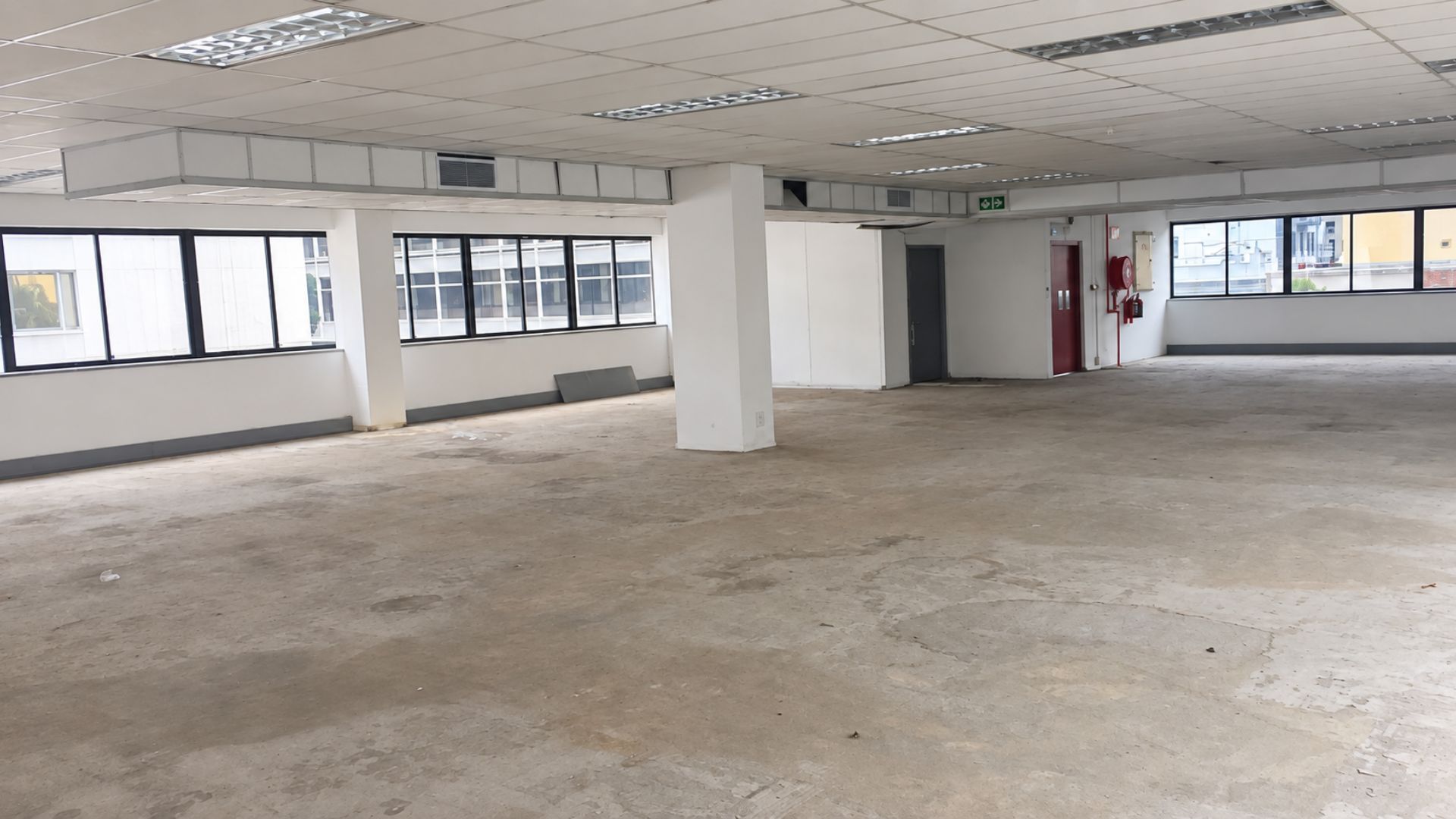
Quality control works best throughout the project rather than being saved for the final afternoon. Work that will later be concealed should be checked at the appropriate stage, repairs should be reviewed as sections are completed and outstanding items should be recorded before contractors leave the site. This makes the final inspection a confirmation of completion rather than the first opportunity to discover problems.
A structured close out should also consider documentation and any sign offs required by the building or landlord. Proturnkey’s project management approach includes final inspections, snagging, documentation and handover readiness as part of project completion. The principle is particularly important for lease exits because the project has a fixed destination: the premises need to reach an agreed condition by an agreed date.
Reinstatement and Relocation Should Be Viewed as One Business Transition
Leaving an office and creating a new one are often discussed separately, but operationally they are two halves of the same transition. The old premises need to be closed out properly while the new workplace needs to be prepared for the business to continue operating. Decisions about furniture, infrastructure, timing, contractors and staff affect both sides. Treating the process as one coordinated transition makes it easier to identify dependencies before they become delays.
Businesses still deciding whether to move or remain in their current premises can read Renovation or Relocation: What’s Best for Your Business? for a broader look at the considerations behind that decision. Businesses that have already chosen their next premises can also use What Is a Test Fit? Why It Matters Before You Choose an Office Space to understand why the physical size of a prospective office does not automatically tell you whether it will work operationally.
Why One Team Can Simplify the Exit
Office reinstatement involves more coordination than its name suggests. Lease requirements need to become a practical scope. Contractors and specialists need to be scheduled. Strip out work needs to connect correctly with repairs and service reinstatement. Waste needs to leave the building. Landlord requirements need to be understood. Quality needs to be checked, and everything has to reach completion before the handover deadline.
This is where a single accountable project team can reduce complexity. Proturnkey manages commercial projects from planning through site delivery and final close out, coordinating the different elements rather than leaving the client to manage multiple disconnected contractors. You can read more about the company and its integrated approach on the Proturnkey About section, or explore Everything You Need. In One Partner. for more on why integrated delivery can simplify commercial office projects.
Planning an Office Reinstatement in Cape Town or Durban?
If your commercial lease is approaching its end, the reinstatement conversation should start before the office is empty. Understanding the lease requirements, assessing the existing fit out and establishing the scope early gives your business more control over the programme, budget and final handover. It also makes it easier to coordinate the old office with your relocation rather than managing two competing projects at the last minute.
Proturnkey provides office reinstatement services in Cape Town, Durban and other major commercial centres across South Africa, managing the process from initial site assessment and reinstatement planning through strip out, make good works, services, landlord coordination and final close out. If your lease is ending or you are already planning an office move, contact Proturnkey early to discuss what needs to happen before the keys are handed back.