
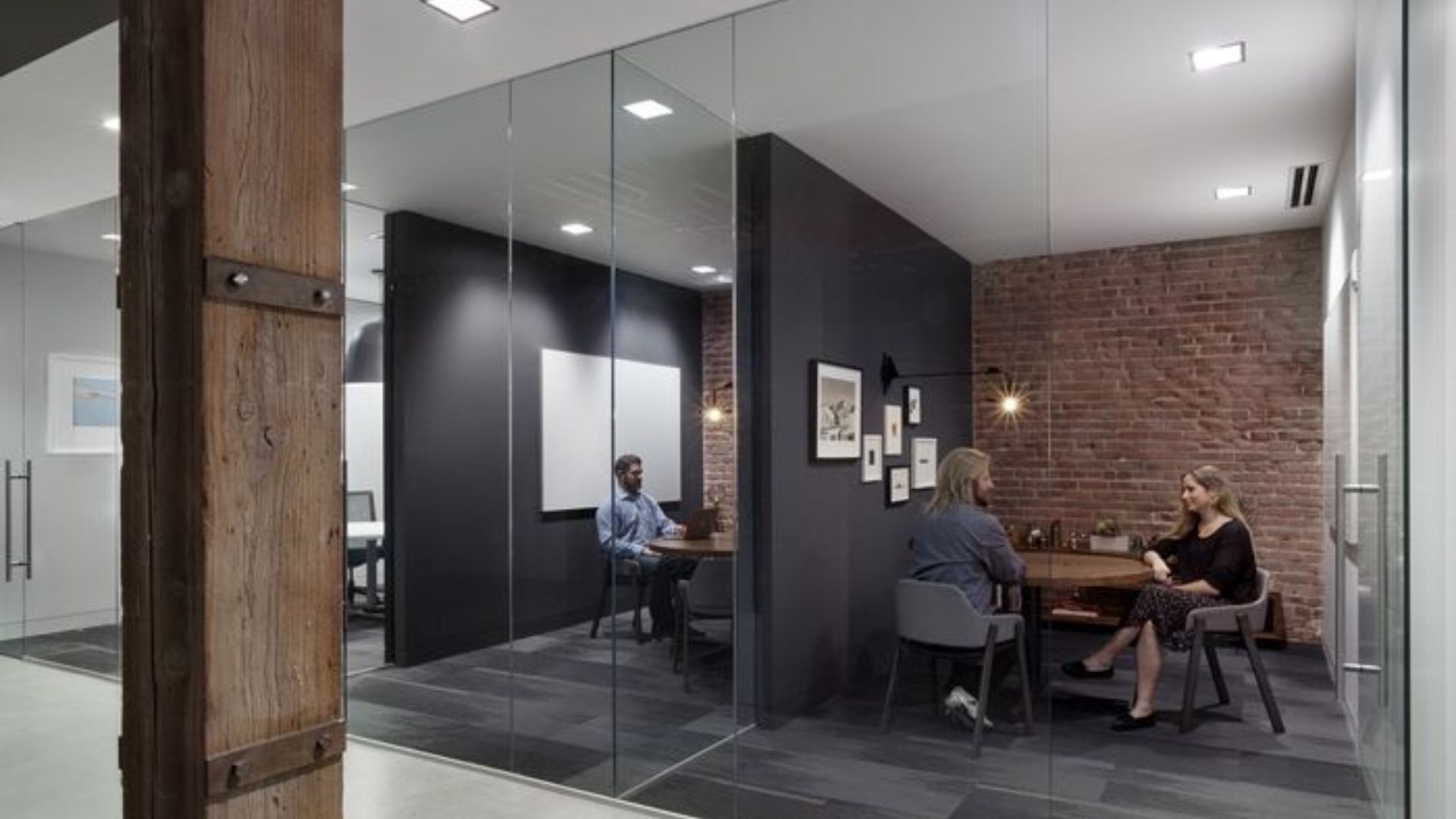
Leadership doesn’t happen behind closed doors anymore.
It happens mid-walk. Mid-conversation. Sometimes mid-coffee.
Leadership teams today move constantly. Between meetings, calls, people, decisions. The office either supports that movement or quietly works against it.
This isn’t about status desks or corner offices. It’s about flow. Visibility. Choice. Control.
And designing spaces that keep up with how leadership actually works.
At Proturnkey, we see this shift daily across Cape Town and Durban offices. Leadership teams don’t want to sit still. They want to stay connected, accessible, and sharp. Office design needs to reflect that reality.
Leadership Has Changed. Offices Had to Catch Up.
Traditional leadership spaces assumed stillness.
One desk. One chair. One office.
That model struggles under modern pressure.
Leadership teams now split time between strategy, people management, collaboration, and quiet thinking. Rarely in that order. Often all in one morning.
A static space forces leaders to adapt themselves to the office.
A well-designed space adapts to the leader.
That difference shows up in energy, clarity, and speed.
Why Leadership Movement Matters
Leadership teams move because they have to.
They move to stay visible.
They move to stay connected.
They move to stay ahead.
Office design either removes friction or adds it.
Small design decisions have big consequences:
- How easily leaders move between spaces
- How visible leadership feels to teams
- How quickly decisions happen
- How often collaboration happens naturally
Design doesn’t need to shout. It needs to work.
Designing for Leaders Who Lead on the Move
Leadership spaces should support three core behaviours:
thinking, connecting, deciding.
Not separately. Often at the same time.
Flexible Leadership Zones, Not Fixed Offices
Private offices still matter. Just differently.
Leadership teams don’t need large offices that lock them away. They need smaller, smarter spaces that give privacy without isolation.
Glass-fronted offices.
Sliding walls.
Acoustic control without visual separation.
Privacy should feel intentional, not defensive.
Spaces That Encourage Presence, Not Distance
Leaders want to be seen. Teams want access.
Design helps bridge that gap.
Open leadership hubs close to teams create trust without sacrificing focus. A leader seated near the work understands it better. Even without speaking.
Presence builds credibility faster than policies ever will.
Decision-Making Needs Space Too
Decisions don’t always happen at desks.
They happen leaning against counters. Sitting briefly. Standing in clusters. Walking through ideas.
Office design must allow leadership teams to think out loud without booking rooms days in advance.
Informal Meeting Spaces That Actually Get Used
If a space feels formal, leaders avoid it unless forced.
Informal meeting zones remove that barrier.
High tables. Comfortable stools. Soft seating near natural light. Whiteboards that invite thinking rather than presentation.
These spaces support quick alignment and faster calls without ceremony.
The Power of Standing Meetings
Standing meetings shorten conversations naturally. They sharpen thinking. They reduce distractions.
Design that encourages standing improves pace without saying a word.
Leadership Visibility Without Disruption
Visibility doesn’t mean noise.
Accessibility doesn’t mean chaos.
Good design balances both.
Leadership teams need to engage without being constantly interrupted. That balance comes from zoning, acoustics, and clear circulation paths.
Smart Space Planning Changes Behaviour
Space planning shapes how people interact.
Clear pathways invite movement.
Defined zones reduce confusion.
Subtle boundaries guide behaviour without rules.
Leadership teams benefit when movement feels natural rather than disruptive.
Acoustic Design Is Not Optional
Noise is the fastest way to lose focus.
Leadership spaces need acoustic control that doesn’t feel clinical. Soft finishes. Panels that blend into design. Furniture that absorbs sound naturally.
Silence isn’t the goal. Control is.
Furniture That Supports Momentum
Furniture should support how leaders work, not slow them down.
Heavy desks, oversized chairs, and fixed layouts create friction. Leaders need furniture that adapts as fast as they do.
Modular Furniture for Changing Leadership Needs
Modular furniture allows leadership spaces to shift quickly.
A strategy session today.
A review meeting tomorrow.
One-on-one conversations throughout the week.
The space should change without effort.
Comfort Without Overindulgence
Leadership furniture should feel supportive, not indulgent.
Comfort that keeps people alert beats comfort that encourages withdrawal. Design should keep leaders engaged with their teams, not hidden away.
Project Management Keeps Leadership Moving
Leadership teams don’t have time for delays.
Office projects must run quietly, cleanly, and on schedule. Disruption slows decision-making and creates unnecessary pressure.
That’s where strong project management matters.
Office Changes Without Pausing the Business
At Proturnkey, we manage renovations, fit-outs, and upgrades while businesses stay operational.
Leadership teams continue working. Meetings continue. Momentum stays intact.
The work happens around the business, not through it.
Clear Timelines Reduce Leadership Stress
Uncertainty creates tension.
Clear project phases, realistic timelines, and regular communication give leadership teams confidence. They stay focused on the business while we handle the space.
Procurement That Matches Leadership Pace
Furniture procurement can slow projects if handled poorly.
Long lead times. Inconsistent quality. Design compromises.
Leadership teams need procurement that aligns with decision speed and budget clarity.
Curated Choices Beat Endless Options
Too many options slow decisions.
We guide leadership teams through practical, well-considered choices that support function and brand. Fewer decisions. Better outcomes.
Shopfitting and Brand Presence for Leaders
Leadership spaces reflect company culture whether intended or not.
A neglected boardroom speaks louder than a mission statement. A thoughtful space reinforces leadership credibility without explanation.
Subtle Branding, Strong Identity
Leadership spaces don’t need loud branding. They need consistency.
Materials, colours, and layout should align with how leadership wants to be perceived: confident, focused, approachable.
Leadership Design Is About Trust
Trust grows when leadership feels accessible.
When decisions happen smoothly.
When spaces support real work.
Office design plays a quiet role in that trust.
Teams notice when leadership spaces feel intentional. They notice when leaders move easily through the office. They notice when spaces invite conversation instead of shutting it down.
FAQ
How does office design support leadership effectiveness?
Design influences visibility, movement, focus, and decision-making. Leadership spaces that support flow help leaders stay connected and responsive.
Can leadership offices be redesigned without disrupting daily work?
Yes. With proper planning and phased execution, office upgrades can happen while teams continue working.
Do leadership teams still need private offices?
Yes, but smaller and smarter. Privacy matters. Isolation does not.
How long does a leadership office redesign take?
Timelines vary by scope. Clear planning and strong project management keep projects efficient and predictable.
Leadership teams don’t sit still.
Their offices shouldn’t either.
If your leadership space feels like it’s holding you back, it probably is.
Proturnkey designs offices that move at leadership speed.
Why Leadership Teams Choose Proturnkey
Leadership teams come to us because they don’t want noise. They want clarity.
We handle office interior design, space planning, project management, furniture procurement, shopfitting, and office renovations under one roof.
One point of accountability. One clear vision. Fewer meetings about meetings.
We work across Cape Town and Durban with leadership teams who value momentum and control.
