
How Space Planning Shapes Real Workplace Performance
Workplaces across Cape Town and Durban often share the same silent problem: people are expected to perform at their best while working in spaces that make the simple act of thinking feel harder than it should. You see it in the tired faces at 3pm, the awkward desk setups, the team members who try to escape noise by hiding in boardrooms, and the general sense that the office drains more energy than the workload itself.
Space planning changes that. It shapes how people move, collaborate and settle into their day. It supports the work instead of fighting it. It also exposes hidden issues that have been slowing your team down without you realising why.
This guide keeps things honest, human and practical. It speaks to real frustrations and real solutions without trying to sound dramatic.
Start With What Works and What Doesn’t
Every workplace has blind spots. People adjust to discomfort without noticing how much it affects them. Staff complain about cold corners near Cape Town windows or the heavy Durban humidity that turns desks into heat zones, yet everyone keeps working because the layout leaves them no choice.
You hear small comments — stiff backs, noisy walkways, meeting rooms that feel like shrines to echo — but those comments tell you exactly where your planning needs to begin. Ask your team what they wish they could change. The answers shape the foundation of your plan.
Map How Your Team Actually Works
Most offices were not designed around how people work today. Departments that collaborate sit too far apart. People who need quiet end up in high-traffic areas. Someone who spends their entire day on calls sits in the noisiest corner. You already know these things because you see them play out daily.
Watch how your team moves. Notice the patterns. Notice where concentration breaks. Notice the spots everyone avoids. This map becomes your reality check and helps you remove friction that slows work down.
Connect Your Plan to Your Renovation Goals
Renovations without planning lead to beautiful spaces that fail the people who use them. It feels wasteful and frustrating. Planning first gives your renovation a purpose. It helps you understand what needs fixing, what needs improving and what you can ignore because it doesn’t matter as much as you thought.
You start seeing things differently. You notice how natural light moves through the room. You see how often people bump into the same obstacles. You understand which layout decisions affect productivity and which ones only affect appearances.
A strong plan keeps your renovation focused instead of experimental.
Shape a Space That Feels Human
People respond to their environment long before they respond to instructions. A supportive layout reduces stress, steadies emotions and encourages problem solving. A stressful layout does the opposite.
Think about airflow, temperature balance, noise levels, lighting and how the space makes people feel the moment they sit down. Offices in both Cape Town and Durban often struggle here because older buildings weren’t created with modern work styles in mind.
Small changes can shift energy drastically. Better positioning of desks. Softer textures. Layouts that reduce unnecessary movement. Spaces that look like someone cared about the people inside them.
Choose Furniture That Supports Real Work
Furniture shapes your day more than you notice. A desk that sits a few centimetres too high or a chair that tilts at the wrong angle slowly drains focus. Storage that sits in the wrong place clutters movement. Meeting tables that are too large or too small force awkward interactions.
You don’t need fancy pieces. You just need furniture that makes sense for your team, your climate and your workflow. Cape Town’s cool breezes and Durban’s humidity already influence comfort levels; supportive furniture balances what the weather doesn’t.
Create Zones Instead of One-Size-Fits-All Areas
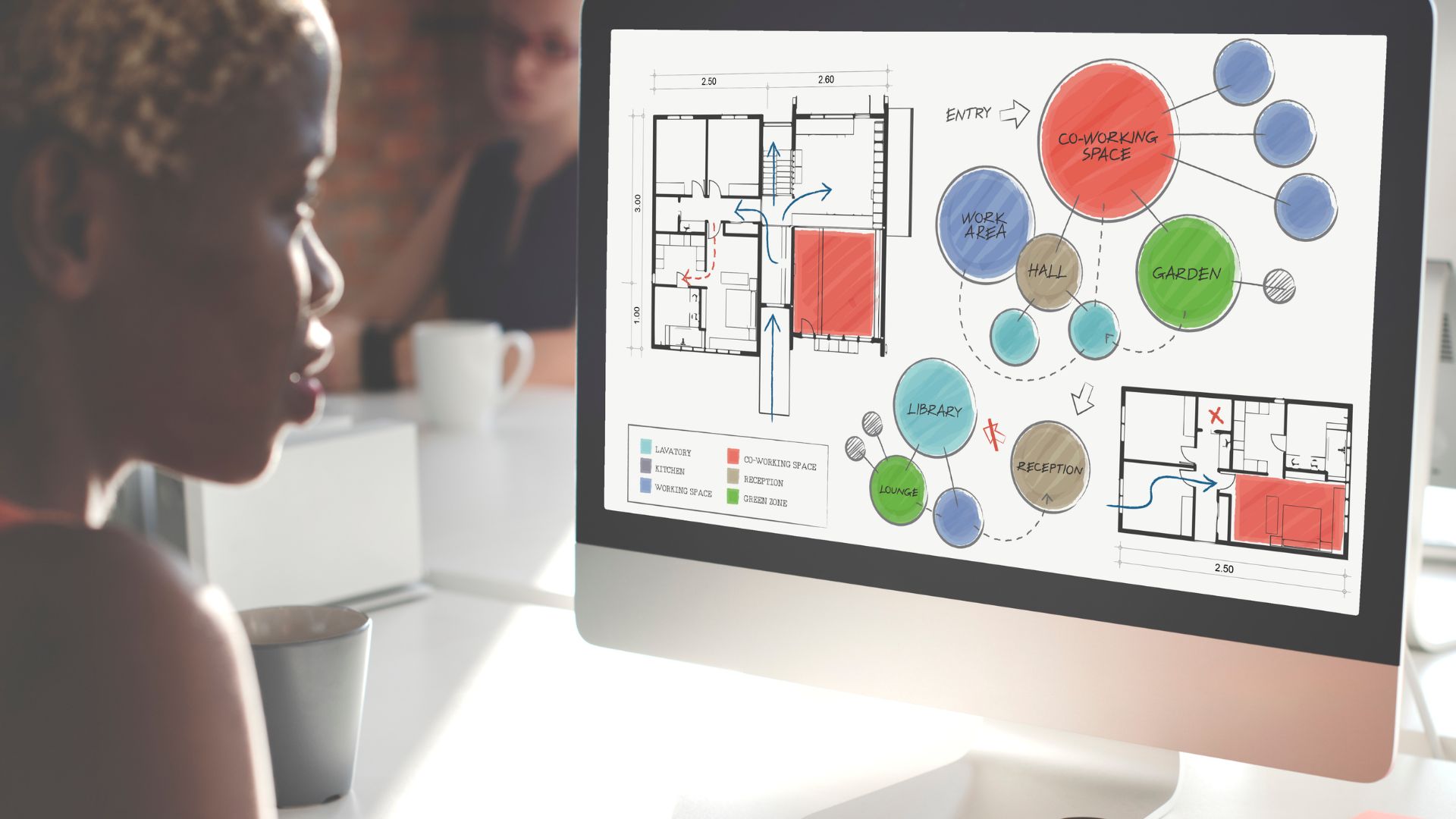
No single area can support focus, collaboration, calls and downtime at the same time. Zoning fixes that by giving people choice. A quiet corner for deep concentration. An open table for collaboration. A small nook for private calls. These don’t need dramatic construction work. They only require intention.
A well-zoned space reduces noise, lowers tension and encourages healthier work habits.
Test Your Layout Before You Approve Anything
Walk through the layout as if you already work in it. This simple act reveals more than software or drawings ever will. You notice cramped paths, awkward lines of sight, strange lighting angles and areas that just don’t flow.
Cape Town teams often test layouts across seasons because winter and summer affect movement differently. Durban teams pay attention to airflow because stagnant heat can make entire areas feel unusable. You learn a lot by physically putting yourself in the space.
Testing prevents regret.
Keep the Space Flexible Enough to Adapt
Teams grow. Roles shift. Some people return to the office, others leave. A rigid layout ages quickly. A flexible space handles change without costing you more money down the line. Movable elements, modular pieces and smarter placement of power points help your office stay relevant longer.
Future performance relies heavily on how prepared your space is for change.
Add Emotional Intelligence to the Design
This isn’t about candles and inspirational quotes. Emotional intelligence in space planning simply acknowledges that people don’t walk into the office as blank slates. They carry stress, home responsibilities, deadlines and personal battles no one sees.
A thoughtful space softens the load. It gives people places to breathe. It increases a sense of belonging. It supports introverts and extroverts fairly. It removes the feeling that the office is something they must survive.
Good design makes work feel more human.
FAQ: The Questions Everyone Asks While Planning
How long should space planning take?
The pace depends on your team size, layout and renovation timeline. Smaller offices move faster, bigger ones need more input.
Does planning reduce renovation mistakes?
Yes. A clear plan prevents rework and protects your budget.
Do Cape Town and Durban need different design approaches?
They do. Climate, building structure and workflow culture differ between the two cities.
Can small businesses benefit from space planning?
Absolutely. A small but well-planned office performs better than a large but chaotic one.
Is zoning necessary for productivity?
It helps almost every team, even in tight spaces.
Shaping Spaces That Help People Thrive
Space planning shapes more than how an office looks. It shapes how people feel, how they interact and how they move through their day without unnecessary stress. A thoughtful layout supports focus, encourages smoother teamwork and gives your staff a space that feels calm instead of chaotic. It lifts the emotional temperature of the workplace in a way that spreadsheets can’t measure, but everyone feels.
ProTurnkey Solutions steps in here. You get a partner that listens first, plans with intention and treats your space like a living part of your business. Your layout shifts into something that fits how your team actually works. Your design choices start supporting productivity instead of fighting against it. Your renovation becomes purposeful instead of overwhelming. You get guidance that saves time, cuts frustration and turns your workspace into a place your team settles into with ease.
Your space can perform better. Your people deserve better. ProTurnkey builds the bridge between the two.
