
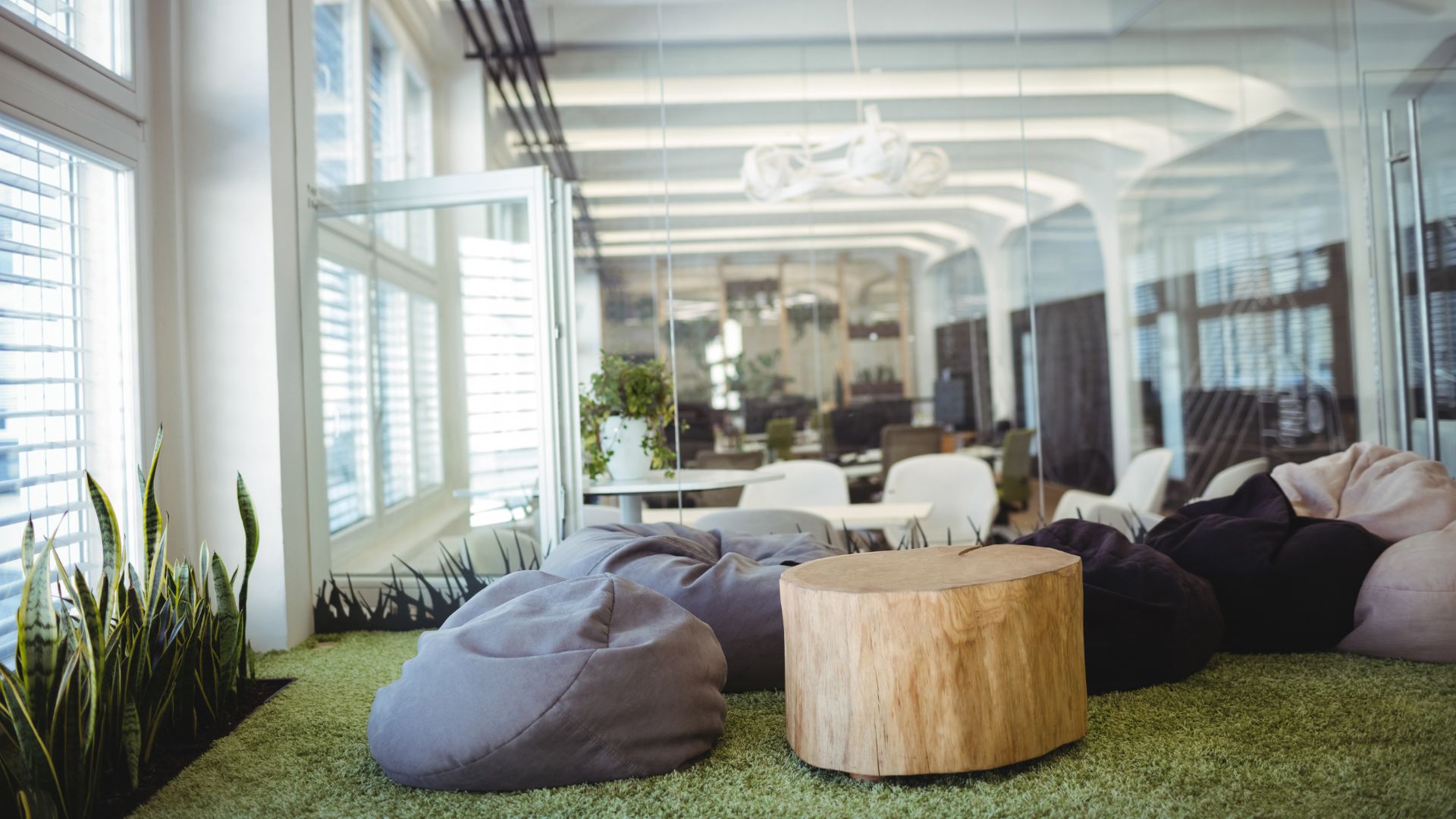
The modern office is evolving. Businesses in Cape Town and Durban are no longer only thinking about productivity and aesthetics — sustainability has become a non-negotiable. As organisations look for ways to reduce their environmental footprint while still creating inspiring, functional workspaces, the circular economy has emerged as one of the most practical and impactful solutions.
At ProTurnKey, we believe office fit-outs can be both beautiful and responsible. By embedding circular economy principles into the way we design, source, and deliver interiors, we help companies move away from the traditional “take-make-dispose” approach and towards a smarter, more resilient model.
This is not just a global trend — it’s fast becoming a business imperative in South Africa. The Green Building Council of South Africa (GBCSA) has reported that sustainable building practices can reduce operational costs by up to 25% in the first year alone. In cities like Cape Town, where businesses are balancing growth with pressing environmental challenges, adopting circular design practices for interiors is both an ethical and a financial win.
So, what does this actually mean for your office? And how can ProTurnKey help you turn sustainability into a tangible, cost-effective solution?
Let’s dive into how the circular economy applies to office interiors — and why it matters for your next fit-out project.
What Is the Circular Economy in Office Design?
The circular economy is about keeping resources in use for as long as possible. Instead of following the linear model (extract → produce → use → throw away), circular design ensures that materials, furniture, and finishes are reused, refurbished, repurposed, or recycled wherever possible.
For interiors, this means:
- Choosing sustainable materials with a low carbon footprint.
- Refurbishing and reusing furniture rather than replacing it.
- Designing with modular systems that can be reconfigured instead of discarded.
- Partnering with suppliers who have circular policies (like take-back schemes).
- Managing construction waste so it avoids landfill.
ProTurnKey specialises in turnkey office projects that integrate these principles, ensuring businesses in Cape Town and Durban get the benefit of sustainability without compromising on quality, timelines, or aesthetics.
Why Circular Office Design Matters in South Africa
South Africa is facing unique environmental pressures — from water scarcity to energy constraints. In this context, the office sector has a huge role to play in reducing waste and carbon emissions. According to the Department of Environmental Affairs, construction and demolition waste accounts for more than 25% of all waste sent to South African landfills.
By adopting circular principles, businesses can:
- Lower their carbon footprint (through reuse and recycling).
- Reduce costs on fit-outs and refurbishments.
- Future-proof workspaces with modular, adaptable design.
- Attract top talent, as younger professionals value sustainable workplaces.
- Boost brand reputation, demonstrating leadership in ESG (Environmental, Social, Governance).
In Cape Town specifically, where the city is striving to position itself as a green economy hub, circular interiors are not just an option — they’re a competitive advantage.
8 Ways ProTurnKey Embeds Circular Economy Solutions in Office Fit-Outs
1. Material Lifecycle Assessment: Designing With the End in Mind
Every material we choose has an impact — from extraction and transport to installation and eventual disposal. ProTurnKey conducts lifecycle assessments of materials to ensure your office is built with products that are low-impact, recyclable, or biodegradable.
For example:
- FSC-certified wood instead of unsustainable timber.
- Low-VOC paints to improve indoor air quality.
- Recycled metals and textiles for furniture and fittings.
Insight: The World Green Building Council estimates that materials account for 11% of global carbon emissions. Choosing wisely at the design stage makes a huge difference.
2. Reuse of Existing Furniture: Extending Value, Reducing Costs
Why throw away perfectly good furniture? ProTurnKey helps clients refurbish and repurpose desks, chairs, and storage units, cutting both costs and carbon.
Examples include:
- Repainting or reupholstering seating.
- Converting old desks into collaborative benches.
- Turning unused shelving into storage walls.
This not only reduces landfill waste but also gives your office a unique story of sustainability that clients and employees notice.
3. Recycling Construction Waste: Responsible Project Management
Renovations generate debris — from drywall offcuts to old carpeting. ProTurnKey integrates waste management plans into every project, ensuring metals, wood, plastics, and glass are sorted and sent to recycling facilities.
Did you know? A typical office fit-out generates 25–35kg of waste per m². By recycling, businesses can cut disposal costs while supporting Cape Town’s waste diversion targets.
4. Modular Design: Future-Proofing Workspaces
Today’s offices need flexibility. With modular walls, furniture, and fittings, companies can reconfigure layouts as their teams and business needs change — without starting from scratch.
Benefits:
- Lower refurbishment costs.
- Longer product lifespan.
- Easier recycling at end-of-life.
ProTurnKey integrates modular solutions that allow Cape Town and Durban businesses to adapt quickly while staying aligned with circular economy principles.
5. Repurposing Materials: Creativity Meets Sustainability
We’ve turned reclaimed timber into statement walls, salvaged metal frames into shelving units, and shipping pallets into meeting tables. Repurposing doesn’t just reduce waste — it adds character and a bespoke element to your workspace.
In Cape Town, where local craftsmanship thrives, ProTurnKey partners with artisans to bring new life to old materials.
6. Sourcing Sustainable Materials: Building Responsibly
We actively seek out suppliers who provide:
- Recycled or recyclable products.
- Biodegradable options.
- Eco-certified materials.
By sourcing locally where possible, we also reduce transport emissions and support South African businesses.
7. Supplier Partnerships: Driving Circular Supply Chains
The circular economy doesn’t stop at your office walls. ProTurnKey only works with suppliers and subcontractors who demonstrate sustainable practices — such as take-back schemes, recyclable packaging, and transparent sourcing.
This ensures every stage of your project, from supplier to site, supports your company’s ESG commitments.
8. End-of-Life Asset Management: Planning Ahead
Even the best-designed office will eventually change. That’s why we create asset lifecycle plans, helping clients resell, donate, or recycle furniture and fittings when the time comes.
This proactive approach reduces landfill waste and maximises value — keeping resources in the loop.
Circular Economy in Practice: ProTurnKey Projects
Across Cape Town and Durban, ProTurnKey has delivered office fit-outs that balance functionality, aesthetics, and sustainability. From BPO centres with modular layouts to creative agencies reusing and repurposing furniture, our projects prove that circular economy solutions are not theory — they’re working in practice.
FAQs: Circular Economy and Office Interiors
- What is a circular economy office fit-out?
It’s an interior design and build approach that prioritises reuse, recycling, modularity, and sustainable materials to minimise waste and environmental impact. - Is it more expensive to design a circular office?
Not necessarily. While some sustainable materials may carry a premium, savings from reuse, modularity, and reduced waste disposal often balance the cost. - Can ProTurnKey retrofit circular principles into an existing office?
Yes. We specialise in refurbishments that integrate circular solutions, from repurposing old furniture to recycling construction waste. - Do circular interiors look less modern?
Absolutely not. Circular design is about quality and creativity. With the right partners, offices can be both stylish and sustainable. - How do I know if my office fit-out is truly sustainable?
ProTurnKey can guide you towards certifications like LEED or Green Star SA, providing independent validation of your efforts.
Building Offices for the Future
Sustainability is no longer optional — it’s a strategic necessity. In Cape Town and Durban, businesses that embrace circular economy principles in their office interiors will save costs, boost employee engagement, and enhance their brand reputation.
At ProTurnKey, we don’t just design and deliver workspaces. We help companies future-proof their offices by embedding circular solutions from the ground up.
Whether you’re refurbishing an old space or planning a brand-new fit-out, ProTurnKey is your trusted partner for turnkey solutions that are sustainable, adaptable, and built to last.
