
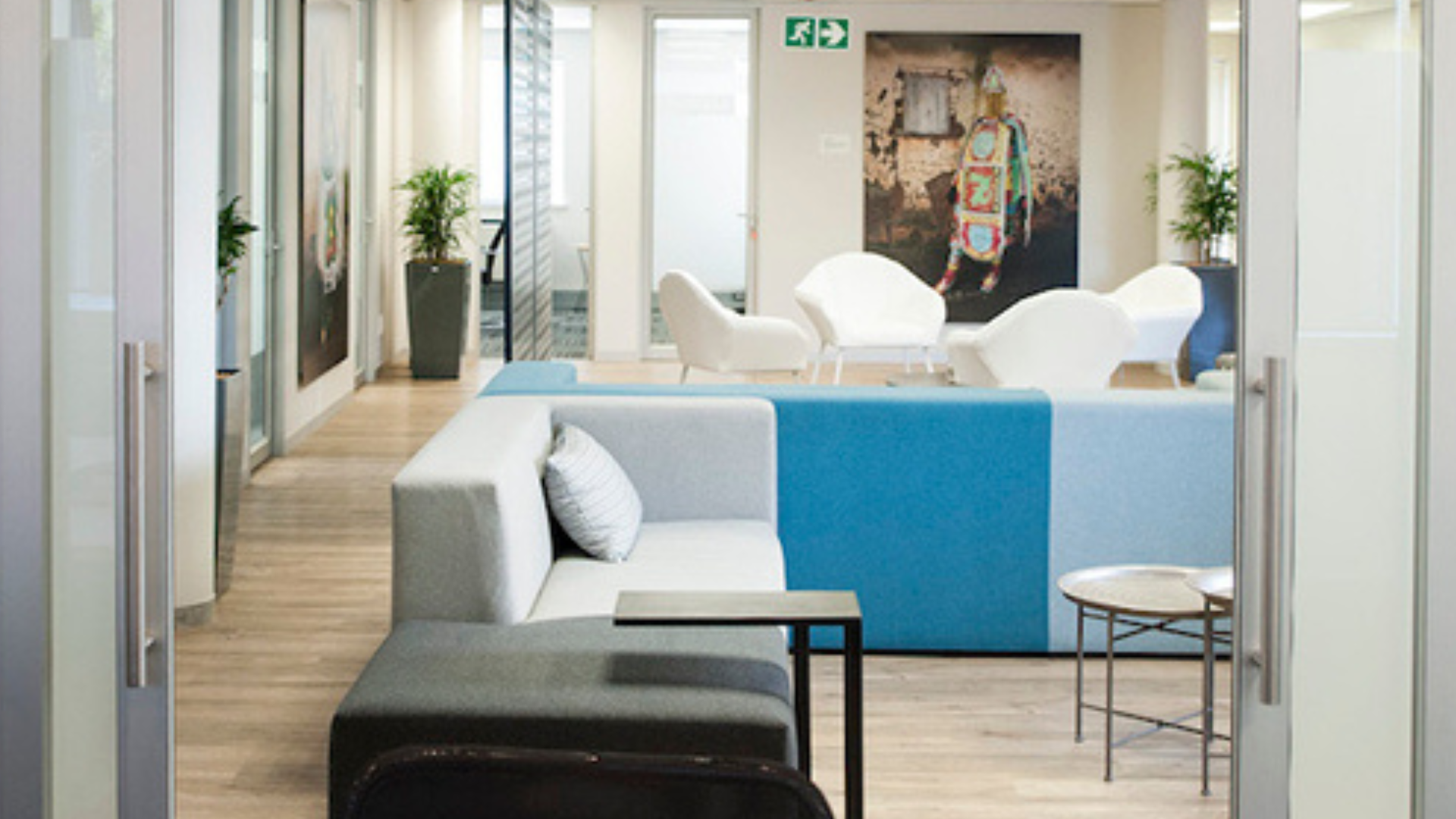
Some offices feel loud before anyone speaks.
Others feel tense even when nothing is urgent.
Then there are spaces where you arrive, put your bag down, take a breath, and feel steadier. No announcement. No sign on the wall telling you to relax. It just happens.
That feeling has a name. Hygge.
It is not about style. It is not about trends. It is about how a space supports people when they show up as they are.
More businesses are paying attention to this shift, especially as teams return to offices with different expectations than they had five years ago. People want spaces that work, yes. They also want spaces that feel kind.
Hygge gives us language for that.
What Hygge Actually Means
Hygge comes from Denmark and roughly translates to a sense of comfort, ease and quiet wellbeing. It is often associated with homes, candles and winter evenings, but at its core it is about emotional safety and belonging.
In an office context, hygge is less about aesthetics and more about experience.
It asks simple questions.
How does the space feel at nine on a Monday morning
Where do people naturally pause between tasks
Is there room to think without being watched
Does the environment help or hinder focus
These are not soft questions. They affect performance, retention and energy more than most policies do.
Why Hygge Matters in Modern Offices
Work has changed. Expectations have changed. People have changed.
According to a 2023 Gallup report, employees who feel cared for at work are more than three times more likely to be engaged. Engagement is not created by perks. It is created by environments that respect human needs.
Another study by Leesman showed that only 47 percent of employees feel their workplace enables them to work productively. That number drops further when spaces feel overstimulating or uncomfortable.
Hygge addresses this gap quietly. It does not shout productivity. It supports it.
The Emotional Layer of Office Design
Most offices are designed for visibility, efficiency and control.
Hygge shifts the focus to emotional response.
How do people feel walking into the space
How do meetings feel after an hour
Where do people go when they need a moment
These feelings are shaped by light, sound, texture, layout and flow. They are shaped by whether a space allows choice or forces behaviour.
Design that ignores emotion creates resistance. Design that respects it creates trust.
Light That Supports Focus Not Fatigue
Lighting is one of the biggest contributors to workplace stress.
Harsh overhead lighting creates glare and fatigue. Poor lighting makes people tense without realising why.
Hygge inspired offices prioritise softer, layered light. Natural light is used wherever possible. Task lighting supports focus. Ambient lighting creates balance.
Research from the American Society of Interior Designers shows that access to natural light improves mood and energy levels for over 60 percent of employees.
Light does not need to be dramatic to be effective. It needs to feel right throughout the day.
Materials That Feel Human
Cold finishes communicate efficiency. Warm finishes communicate care.
Hygge favours materials that feel tactile and grounding. Timber. Fabric. Natural stone. Soft surfaces that absorb sound instead of bouncing it back.
These materials reduce sensory overload. They help people settle.
This matters more than many leaders realise. According to the World Green Building Council, workplaces that feel comfortable lead to productivity improvements of up to 11 percent.
Comfort is not indulgent. It is practical.
Sound Matters More Than Silence
Silence can feel tense. Noise can feel chaotic.
Hygge is about balance.
Open plan offices often fail because sound is treated as an afterthought. Conversations travel. Phones ring. Focus disappears.
A hygge approach introduces acoustic panels, soft furnishings and zoning that allows sound to dissipate naturally. It creates areas for collaboration and areas for quiet without rigid rules.
When people are not constantly on edge, they think more clearly.
Layout That Allows Choice
One of the biggest mistakes in office design is assuming everyone works the same way.
Hygge encourages flexibility. It gives people options.
A place to sit alone
A place to collaborate
A place to pause
A place to reset
This does not require more space. It requires better planning.
Studies from Steelcase show that employees who have choice in where they work report higher satisfaction and better performance.
Choice is a form of respect.
Bringing Hygge into Leadership Spaces
Leadership areas often feel formal, rigid and distant. This sends a message whether intended or not.
Hygge does not remove authority. It softens unnecessary barriers.
Boardrooms with warmer finishes. Leadership offices that feel approachable. Meeting spaces that support conversation rather than performance.
When leadership spaces feel human, decision making improves. Conversations become more honest. Trust grows quietly.
Hygge in Shared Areas
Canteens, break areas and informal meeting spaces are where culture is felt most clearly.
These spaces often receive the least attention.
Hygge treats them as essential. Comfortable seating. Warm light. Layouts that encourage connection without forcing it.
According to a Harvard Business Review study, informal interactions are responsible for a significant percentage of knowledge sharing in organisations.
Design either enables this or shuts it down.
Cape Town and Durban Context
Local climate, culture and lifestyle matter.
In Cape Town, natural light, views and connection to the outdoors are powerful tools. Hygge here often leans into openness and calm.
In Durban, warmth, airflow and material choices play a bigger role. Hygge shows up in how spaces stay comfortable throughout the day.
Good design responds to place. It does not copy and paste.
Hygge Is Not a Trend
Trends fade. Comfort does not.
Hygge is not something you apply at the end of a project. It is a lens you use from the beginning.
It asks designers and businesses to slow down slightly and pay attention.
What does this space need to support
Who uses it and how
What feels unnecessary
What feels missing
These questions lead to offices that age better and work harder over time.
Common Misconceptions About Hygge
Some believe hygge makes offices too relaxed. That productivity will drop. The opposite is true.
Others think it is expensive. It is often about smarter choices, not more materials.
Hygge does not mean informal everywhere. It means appropriate comfort where it matters.
How Proturnkey Approaches Hygge in Office Design
We do not design around trends. We design around people.
Our process looks at how teams move through a space, where friction exists and where comfort is missing. We integrate space planning, interior design, furniture procurement, shopfitting and project management into one clear approach.
Hygge becomes part of the foundation, not an afterthought.
The result is offices that feel calmer, work better and support people through real workdays.
Frequently Asked Questions
What is hygge in office design
Hygge in office design focuses on creating comfortable, human centred environments that support wellbeing, focus and emotional ease at work.
Does hygge reduce productivity
No. Studies show that comfortable and supportive environments improve engagement, focus and performance.
Can hygge work in corporate offices
Yes. Hygge is about balance and intention, not casual styling. It works in corporate, professional and leadership environments.
Is hygge expensive to implement
Not necessarily. Many hygge principles involve better planning, lighting and material choices rather than higher budgets.
Can hygge be applied during renovations
Yes. Hygge can be introduced through layout changes, lighting upgrades, furniture selection and material updates without full rebuilds.
Offices do not need to feel hard to work well.
They need to feel considered.
When people feel comfortable, they stay longer, think clearer and show up differently. Hygge does not promise happiness. It supports steadiness.
And that is often what work needs most.
